
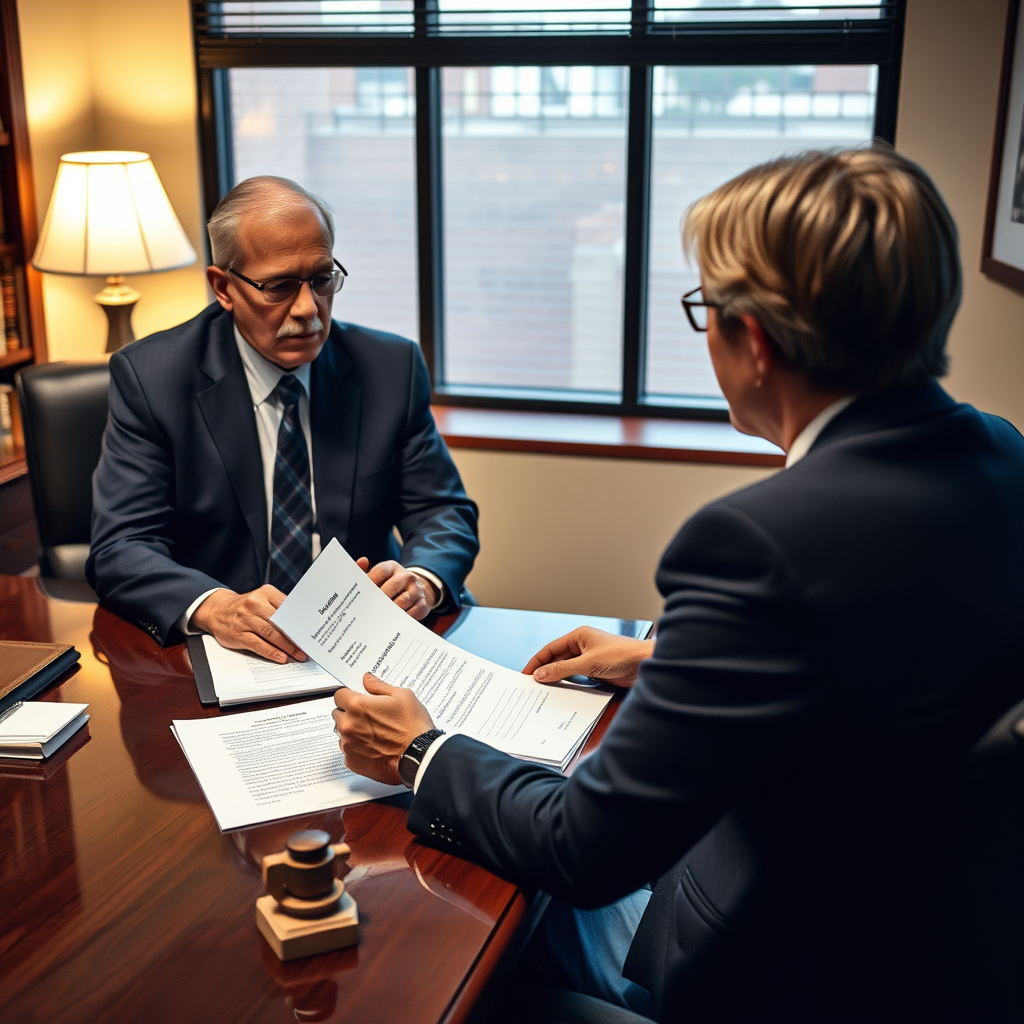
Louisa Virginia Revenge Pornography Lawyer: Defending Unlawful Image Dissemination Charges
As of December 2025, the following information applies. In Virginia, unlawful dissemination or sale of images, commonly known as ‘revenge pornography,’ involves sharing intimate visual content without consent, carrying significant legal consequences. The Law Offices Of SRIS, P.C. provides dedicated legal defense for individuals facing these serious matters, working to protect their rights and reputation. Individuals accused of this offense should seek the guidance of a qualified attorney to Handling the complex legal landscape. A Middlesex Virginia revenge porn attorney can offer crucial support and strategic defense, ensuring that the accused understand their rights and options. With the consequences of these charges being severe, having an experienced advocate is essential for achieving a favorable outcome.
Confirmed by Law Offices Of SRIS, P.C.
Let’s be blunt: facing accusations related to sharing private images, especially in a place like Louisa, Virginia, can feel like your whole world is crashing down. It’s a scary situation, steeped in potential social stigma, severe legal penalties, and a feeling of profound vulnerability. When the police come knocking, or you receive a court summons, the fear can be overwhelming. You might be asking, ‘What does this even mean for me? What are my options?’
This isn’t just about a mistake or a misunderstanding; Virginia law takes the unlawful dissemination of intimate images very seriously. These aren’t just ‘internet rumors’; they are criminal charges with real-world implications that can affect your freedom, your finances, and your future. But here’s the crucial part: you don’t have to face it alone. Understanding the law, knowing your rights, and mounting a strong defense are your first, most important steps.
At the Law Offices Of SRIS, P.C., we’ve seen firsthand the devastating impact these accusations can have. We’re here to offer clarity and a path forward, even when things seem darkest. Our approach is direct, empathetic, and focused on protecting your interests every step of the way. We understand the nuances of these cases and the technology involved, which is why a knowledgeable defense is so important. We’re not here to judge; we’re here to defend.
What is Unlawful Dissemination or Sale of Images of Another in Virginia?
In Virginia, the crime of unlawful dissemination or sale of images of another, often referred to as ‘revenge pornography,’ involves intentionally sharing or selling an image or video of an identifiable person who is nude or engaged in a sexual act, without that person’s consent, and with the intent to harass, annoy, or embarrass them. This is codified under Virginia Code § 18.2-386.2. It’s not just about publicly posting; simply sharing it with one other person can meet the criteria if the other elements are present. This law aims to protect individuals from the damaging consequences of having private, intimate moments exposed without their permission.
Takeaway Summary: Virginia law prohibits sharing intimate images of someone without their consent, especially when intended to cause harm. (Confirmed by Law Offices Of SRIS, P.C.)
Breaking Down Virginia’s Law on Image Dissemination
Let’s dive a bit deeper into what this law actually covers. It’s not always as straightforward as it sounds, and the details matter. For a prosecutor to secure a conviction in Louisa, Virginia, they generally need to prove several key elements:
- Identifiable Person: The person in the image or video must be clearly recognizable. This doesn’t necessarily mean their face has to be visible; other identifying features or context can be enough.
- Nude or Engaged in Sexual Act: The content must depict the person nude or performing a sexual act. This is the core of what makes the content ‘intimate.’
- Lack of Consent: This is paramount. The person depicted must not have consented to the specific act of dissemination (sharing or selling). Even if they consented to the image being taken, that doesn’t automatically mean they consented to it being shared.
- Intent to Harass, Annoy, or Embarrass: The person who shared the image must have done so with a specific harmful intent. This isn’t about accidental sharing; it’s about a deliberate act meant to cause distress or humiliation.
Understanding these elements is the first step toward building a robust defense. The prosecution carries the burden of proof, and a seasoned attorney will examine every angle to ensure your rights are protected and that the state meets its heavy burden.
The Harsh Realities: Penalties and Consequences in Louisa, Virginia
Blunt Truth: A conviction for unlawful dissemination of images in Virginia is a serious matter. It’s not just a slap on the wrist; it carries significant penalties that can reshape your life. Typically, this offense is classified as a Class 1 misdemeanor, which means:
- Jail Time: Up to 12 months in jail.
- Fines: Up to $2,500.
- Criminal Record: A permanent mark on your record that can impact employment, housing, education, and even personal relationships for years to come.
However, under certain aggravating circumstances, the charge can be elevated to a Class 5 felony, which carries even more severe consequences, including:
- Prison Time: One to ten years in state prison, or at the discretion of the jury or court, a lesser sentence of up to 12 months in jail and/or a fine of up to $2,500.
Beyond the direct legal penalties, consider the collateral damage. Your reputation could be in tatters, your professional license might be at risk, and your standing in the community could be severely diminished. It’s a heavy burden, but with the right legal defense, you can fight to mitigate these impacts and strive for the best possible outcome.
How to Defend Against Accusations of Unlawful Image Dissemination in Louisa, Virginia?
When you’re facing charges for unlawful image dissemination in Louisa, Virginia, it feels like an uphill battle. But it’s vital to remember that you have rights, and there are concrete steps you can take to build a defense. This isn’t a situation to tackle on your own. A thoughtful, strategic defense plan can make all the difference between a devastating conviction and preserving your future.
-
Secure Legal Counsel Immediately
The moment you suspect you’re under investigation or are charged, your absolute priority should be to contact a knowledgeable criminal defense attorney. Don’t speak to law enforcement without your lawyer present. Anything you say can and will be used against you. An attorney can advise you on your rights, review the accusations, and begin to formulate a defense strategy tailored to your specific circumstances. They are your shield against missteps in the early, critical stages.
-
Understand the Specific Charges
Your attorney will meticulously examine the exact charges brought against you. Is it a misdemeanor or a felony? What specific section of Virginia Code § 18.2-386.2 are they citing? Understanding these details is key because each element of the statute (identifiability, consent, intent to harm) must be proven by the prosecution. A deep dive into the charges helps identify potential weaknesses in the state’s case.
-
Gather All Relevant Evidence
Work closely with your legal team to gather any and all evidence that could support your defense. This might include digital communications, timestamps, witness statements, or any documentation that shows consent, lack of intent to harass, or that you were not the person who disseminated the images. Even seemingly minor details can sometimes prove pivotal in constructing a compelling defense.
-
Challenge the Elements of the Crime
A strong defense often focuses on disproving one or more of the core elements the prosecution must establish. For instance, did the alleged victim truly lack consent for the dissemination? Was there genuine intent to harass, annoy, or embarrass, or was it a misunderstanding, an accident, or even a false accusation? Perhaps the image doesn’t clearly identify the person, or it wasn’t actually nude or sexual in nature. Your attorney will analyze the specifics to craft these challenges.
-
Explore Constitutional Violations
Were your constitutional rights violated during the investigation? This could include illegal searches and seizures (Fourth Amendment) or improper questioning without proper Miranda warnings (Fifth Amendment). Evidence obtained through such violations can often be suppressed, meaning it cannot be used against you in court. This is a powerful defense strategy that requires a seasoned legal eye.
-
Negotiate with the Prosecution
Depending on the strength of the evidence and the specifics of your case, your attorney may engage in plea negotiations with the prosecutor. This could involve aiming for reduced charges, alternative sentencing, or even a dismissal if the state’s case is weak. This is a delicate process that requires experienced negotiation skills to achieve the best possible outcome without going to trial.
-
Prepare for Trial
If a favorable plea agreement cannot be reached, your defense team will meticulously prepare for trial. This includes selecting a jury, preparing opening and closing statements, cross-examining prosecution witnesses, and presenting your own defense witnesses and evidence. A trial is a complex legal battle, and having a determined attorney by your side is essential.
Can I Clear My Name from False Accusations in Louisa, Virginia?
Being falsely accused of unlawful image dissemination is a nightmare scenario. The fear isn’t just about legal penalties; it’s about the deep damage to your reputation, your relationships, and your peace of mind. The good news is, yes, it is possible to fight back against false accusations and work towards clearing your name. It won’t be easy, but with the right legal strategy, hope is absolutely within reach.
False accusations can stem from a variety of situations: a disgruntled ex-partner seeking revenge, a misunderstanding of how an image was shared, or even a complete fabrication. Regardless of the source, the impact on you is very real. The key is to act swiftly and decisively with experienced legal counsel. Your attorney can investigate the origin of the accusation, challenge the credibility of the accuser, and present evidence that undermines the prosecution’s claims.
For example, perhaps you can demonstrate that you were not the person who shared the image, that the alleged victim actually consented to the sharing, or that the intent to harass was entirely absent. Digital forensics can play a significant role here, examining metadata, IP addresses, and communication logs to establish the truth. It’s about meticulously dissecting the claims and presenting a factual narrative that stands in stark contrast to the accusations. This is where a knowledgeable defense attorney, like those at Law Offices Of SRIS, P.C., becomes invaluable. We’re here to champion your side and work relentlessly to expose the truth.
Why Hire Law Offices Of SRIS, P.C. for Unlawful Image Dissemination Defense in Louisa, Virginia?
When your future is on the line, you need a legal team that understands the gravity of the situation and knows how to fight for you. At the Law Offices Of SRIS, P.C., we approach every unlawful image dissemination case in Louisa, Virginia, with a blend of fierce advocacy and deep empathy. We know this isn’t just about legal statutes; it’s about a person’s life, reputation, and freedom.
Our firm brings a wealth of experience to these challenging cases. We’re seasoned in Virginia’s legal system and understand the nuances of digital evidence and criminal defense. We don’t shy away from complex situations; in fact, we thrive on them. Mr. Sris, our founder, articulates this commitment perfectly:
“My focus since founding the firm in 1997 has always been directed towards personally handling the most challenging and complex criminal and family law matters our clients face.”
This insight underscores our dedication to providing a defense that is both robust and personalized. We meticulously review every detail, challenge every piece of evidence, and build a strategy designed to protect your best interests. We aim to ease your fear, provide clarity on your options, and instill hope for a favorable resolution.
We’ll fight to protect your rights, challenge questionable evidence, and work tirelessly to achieve the best possible outcome, whether that’s a dismissal, an acquittal, or a mitigated sentence. Our commitment is to you, and we offer a confidential case review to discuss your situation without judgment.
For immediate assistance with your unlawful image dissemination case in Louisa, Virginia, reach out to us. We’re ready to listen and help.
Phone: +1-888-437-7747
Call now for a confidential case review.
Frequently Asked Questions About Unlawful Image Dissemination in Louisa, Virginia
Q: What is the primary law in Virginia that addresses ‘revenge pornography’?
A: Virginia Code § 18.2-386.2 specifically addresses the unlawful dissemination or sale of images of another. It prohibits sharing intimate images of identifiable persons without their consent, particularly when there is intent to harass, annoy, or embarrass the depicted individual. This statute forms the legal basis for such charges in Louisa, Virginia.
Q: Can I be charged if I only shared the image with one person?
A: Yes, absolutely. Virginia law typically defines ‘dissemination’ broadly. It doesn’t require public posting or sharing with a large audience. Even sharing an intimate image without consent with a single individual can meet the criteria for a charge under Virginia Code § 18.2-386.2, provided all other elements of the crime are present.
Q: What if I didn’t intend to harass or embarrass the person?
A: Intent is a critical element the prosecution must prove. If you can demonstrate a lack of intent to harass, annoy, or embarrass, it can be a strong defense. This might involve showing it was an accident, a misunderstanding, or that your actions had a different, non-malicious purpose. Your attorney will help you present this argument effectively.
Q: Is it a crime if the image was initially taken with consent?
A: Yes, it can still be a crime. Consent to take an image is distinct from consent to share or disseminate it. If an individual consented to an intimate image being taken but did not consent to its subsequent distribution, and it’s shared with harmful intent, it can still fall under Virginia’s unlawful dissemination law. Each type of consent is separate.
Q: What are the potential penalties for a conviction in Louisa, Virginia?
A: A conviction for unlawful image dissemination in Louisa, Virginia is typically a Class 1 misdemeanor, carrying up to 12 months in jail and a fine of up to $2,500. Under certain aggravating circumstances, it can be elevated to a Class 5 felony, leading to one to ten years in state prison, or a lesser jail sentence and fine. Penalties are severe.
Q: How can a lawyer help if I’m falsely accused?
A: A lawyer can be instrumental in fighting false accusations. They will thoroughly investigate the claims, challenge the accuser’s credibility, gather evidence to prove your innocence (like digital forensics or witness statements), and negotiate with prosecutors. Their goal is to dismantle the false claims and protect your reputation and freedom through strategic legal action. Don’t face it alone.
Q: Does the law apply to images shared on social media?
A: Yes, absolutely. The law applies to any form of dissemination, including sharing images or videos on social media platforms, messaging apps, email, or even physical distribution. The method of sharing does not negate the illegality if the core elements of lack of consent, intimate content, and harmful intent are present. Be extremely cautious online.
Q: Can this charge affect my employment or professional license?
A: Unfortunately, yes. A conviction for unlawful image dissemination, especially if it’s a felony, can have severe repercussions on your employment prospects and professional licenses. Many professions require background checks, and a criminal record can lead to denial of employment, suspension, or revocation of licenses. This is a significant concern for your future.
Q: What should I do immediately if I’m accused of this crime?
A: Your first and most important step is to remain silent and contact an experienced criminal defense attorney immediately. Do not speak with law enforcement or anyone else about the allegations without legal counsel present. Preserve any evidence you have, but only share it with your attorney. Protecting your rights from the outset is absolutely vital.
Q: Is there a statute of limitations for these charges in Virginia?
A: Generally, for misdemeanors in Virginia, there is a one-year statute of limitations from the date the crime was committed. For felonies, the statute of limitations can be longer, sometimes five years or more, depending on the specific felony. Your attorney will determine the precise statute of limitations applicable to your specific charges and circumstances. It’s an important legal detail.
The Law Offices Of SRIS, P.C. has locations in Virginia in Fairfax, Loudoun, Arlington, Shenandoah and Richmond. In Maryland, our location is in Rockville. In New York, we have a location in Buffalo. In New Jersey, we have a location in Tinton Falls.
Past results do not predict future outcomes.