
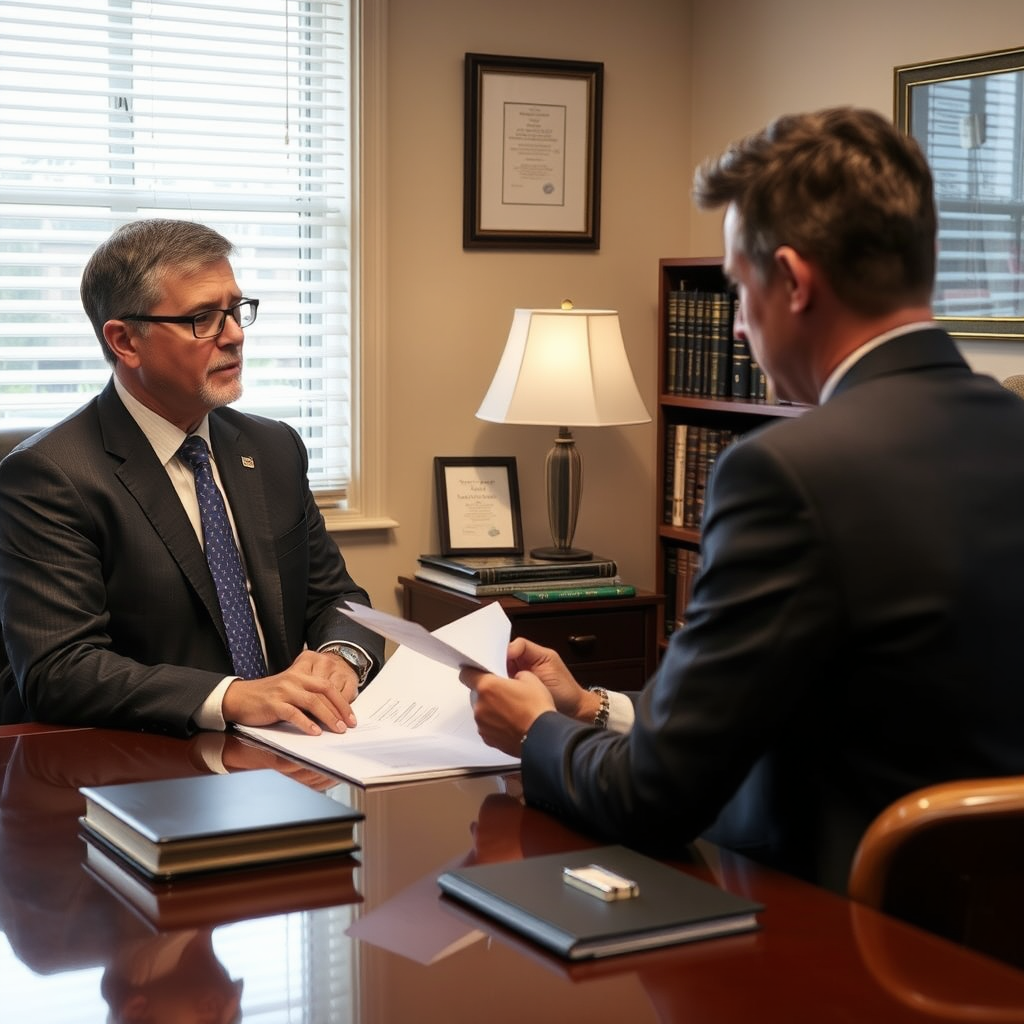
Unlawful Dissemination or Sale of Images: Your Highland Virginia Lawyer Defense
As of December 2025, the following information applies. In Virginia, unlawful dissemination or sale of images of another involves sharing intimate images without consent. This can lead to serious legal consequences, including felony charges and significant fines. The Law Offices Of SRIS, P.C. provides dedicated legal defense for these sensitive and challenging matters in Highland Virginia.
Confirmed by Law Offices Of SRIS, P.C.
What is Unlawful Dissemination or Sale of Images of Another in Virginia?
Virginia law views the nonconsensual sharing or selling of intimate images as a severe breach of privacy, with serious criminal implications. Often referred to colloquially as ‘revenge pornography,’ this offense occurs when an individual intentionally distributes or sells visual depictions, like photos or videos, of another identifiable person who is unclothed or engaged in sexually explicit acts. The crucial element here is the lack of consent from the depicted individual for the distribution or sale of those images. It doesn’t matter if the images were initially created with consent; the moment they are shared or sold without the subject’s express permission, a crime may have been committed. This statute aims to protect individuals from the profound emotional distress, reputational damage, and professional setbacks that can stem from such a violation. The law recognizes the lasting harm these actions can inflict, providing a legal recourse for victims and severe penalties for perpetrators. Understanding this distinction is key for anyone involved in or accused of such a situation. This crime can carry significant weight in Virginia’s legal system, affecting your future in profound ways.
Takeaway Summary: Virginia law strictly prohibits the nonconsensual distribution or sale of intimate images, safeguarding individuals from significant privacy violations. (Confirmed by Law Offices Of SRIS, P.C.)
How to Respond if Accused of Unlawful Image Dissemination in Highland Virginia?
Facing an accusation or charges related to the unlawful dissemination or sale of images can feel overwhelming, like being caught in a sudden, powerful current. Your immediate actions, or lack thereof, can dramatically shape the outcome of your case. It’s absolutely vital to approach this situation strategically and without delay. Here’s what you need to do: Seek the guidance of a qualified legal professional who specializes in these sensitive matters, such as a Halifax Virginia revenge porn lawyer. They can provide you with Experienced professional advice tailored to your specific situation and help you understand your rights. Taking prompt action with the support of a knowledgeable attorney can significantly affect the trajectory of your case.
Don’t Delete Potential Evidence or Tamper with Devices
Your gut reaction might be to erase any images or messages from your phone or computer that could be seen as incriminating. Resist this urge. Deleting files, even if you believe they prove your innocence, can be misconstrued as evidence tampering, which is a separate and serious criminal offense. Law enforcement has sophisticated methods to recover deleted data, and attempting to hide or destroy evidence can only worsen your legal standing. Instead, preserve everything exactly as it is. Your devices, cloud storage, and social media accounts could all become critical pieces of evidence, either for the prosecution or for your defense. Make sure to document any interactions you have and avoid making any changes to digital information. Maintaining the integrity of potential evidence is paramount, even when it feels counterintuitive in a moment of panic. Let your attorney guide you on how best to present or preserve any digital information relevant to your case, ensuring you don’t inadvertently harm your defense.
Exercise Your Right to Remain Silent
If law enforcement officers contact you, whether by phone, email, or in person, remember your constitutional right to remain silent. Anything you say can and will be used against you in court. Police officers are trained to gather information, and even an innocent statement made under stress or misunderstanding can be twisted or misinterpreted. Do not explain your side of the story, offer justifications, or try to convince them of your innocence without legal counsel present. Politely state that you wish to speak with an attorney before answering any questions. This isn’t an admission of guilt; it’s a smart legal move that protects your rights. Even casual conversations with law enforcement can yield information they might use against you. Simply and firmly invoke your right to silence and your right to counsel, then contact a defense attorney immediately. This step is a cornerstone of a strong defense.
Do Not Discuss Your Case with Anyone Else
It’s natural to want to confide in friends, family, or partners when facing a serious accusation. However, resist the temptation to discuss the specifics of your case with anyone other than your attorney. These conversations are not protected by attorney-client privilege, meaning anyone you speak with could be called to testify against you in court. Even well-meaning friends could inadvertently share information that harms your defense. Social media posts, texts, or emails discussing your situation can also be used as evidence. Assume that anything you say or write could potentially be accessed by the prosecution. This doesn’t mean you have to suffer in silence, but you must be incredibly careful about who you talk to and what you say. Your attorney is the only person with whom you can have a truly confidential discussion about the details of your case. Keep your legal strategy and the facts of your situation private.
Seek Legal Counsel Immediately from a Virginia Defense Attorney
This is the most important step. As soon as you suspect you’re under investigation or if you’ve been charged, contact an experienced Virginia criminal defense attorney. An attorney can explain the charges against you, advise you on your rights, represent you during police questioning, and begin building a strong defense strategy tailored to the specifics of Virginia law. They can also act as a buffer between you and law enforcement, ensuring your rights are protected throughout the entire process. Don’t wait until things escalate; early legal intervention can make a significant difference. Your attorney can investigate the allegations, challenge evidence, negotiate with prosecutors, and represent you vigorously in court. The sooner you bring a seasoned lawyer onto your team, the better your chances of achieving a favorable outcome. This isn’t a situation to tackle alone; the stakes are simply too high to risk a misstep.
Gather and Organize All Relevant Information
While you should not delete anything, you can begin to organize any information that you think might be relevant to your case. This could include dates, times, names of individuals involved, communication records, or any circumstances surrounding the alleged dissemination. Think about when the images were created, who had access to them, and any previous agreements or discussions about privacy. This detailed information, when shared with your attorney, can help them piece together a comprehensive understanding of the situation and identify potential defenses. This isn’t about incriminating yourself, but about providing your legal team with the tools they need to represent you effectively. Even seemingly minor details could prove vital. Your attorney will help you sort through what’s relevant and what’s not, ensuring you present the strongest possible defense.
Can I Avoid a Conviction for Unlawful Image Dissemination in Highland Virginia?
Facing charges for unlawful dissemination or sale of images in Highland Virginia is serious; it’s not a minor infraction. However, avoiding a conviction is absolutely possible with the right legal strategy and a knowledgeable defense attorney. The penalties in Virginia can be severe, ranging from a Class 1 misdemeanor, punishable by up to 12 months in jail and a $2,500 fine, to a Class 5 felony, which carries a potential prison sentence of one to 10 years and a fine of up to $2,500. This isn’t just about jail time; a conviction can haunt you long after any sentence is served, impacting your employment prospects, housing, and personal reputation for years to come. It’s like a shadow that follows you, making everyday life harder.
Here’s the blunt truth: prosecutors in Virginia take these cases seriously. Their goal is often to secure a conviction. But every case has its weaknesses, and a skilled defense attorney knows how to find them. Your defense isn’t about proving guilt or innocence in a vacuum; it’s about challenging the prosecution’s case and demonstrating that the elements of the crime, as defined by Virginia law, cannot be proven beyond a reasonable doubt. This might involve scrutinizing the intent behind the dissemination. Did you genuinely intend to distribute or sell the images, or was it an accidental share? Was the alleged victim truly identifiable in the images, or were they obscured? Additionally, an effective defense strategy might also include questioning the integrity of the evidence presented by the prosecution. For anyone facing such serious allegations, consulting a King William unlawful dissemination attorney can provide invaluable insight and support. They can help dissect the prosecution’s claims and build a strong defense tailored to the specifics of each case. Having a knowledgeable attorney is crucial, especially in cases involving allegations of james city unlawful image dissemination, where the nuances of intent and identification play a critical role. They can leverage their Experienced professionalise to ensure that every detail is examined, potentially leading to a dismissal of charges or a favorable outcome. Ultimately, a strong legal defense can make all the difference in Handling of the law and protecting your rights.
Perhaps the most critical aspect of defense revolves around consent. While the images themselves might have been created consensually, the law specifically targets the *nonconsensual dissemination* of those images. So, a key defense might involve arguing that the depicted person actually consented to the sharing or sale, or that their consent was implied under certain circumstances. This requires a deep dive into the communications and understandings between the parties involved. Maybe there was a misunderstanding, or a previous agreement that the prosecution isn’t aware of. An attorney will meticulously examine all digital evidence, communication logs, and witness statements to establish a solid foundation for this defense. We’re looking for any crack in the prosecution’s armor.
Another angle involves challenging the identity of the disseminator. Was it truly you who shared the images, or could someone else have gained unauthorized access to your device or account? Cybercrime and identity theft are real concerns, and proving that someone else was responsible can lead to an acquittal. Furthermore, there might be procedural errors made by law enforcement during their investigation, such as an unlawful search and seizure of your devices, or a failure to properly inform you of your rights. These errors can sometimes lead to evidence being suppressed, which can significantly weaken the prosecution’s case and potentially lead to a dismissal of charges.
An experienced attorney will also explore all possibilities for negotiation. Sometimes, if the evidence against you is strong, it might be in your best interest to negotiate a plea deal for a lesser charge or a reduced sentence. This isn’t admitting defeat; it’s a strategic move to mitigate the damage and avoid the uncertainties of a trial. The goal is always to protect your future, and sometimes that means making tough, pragmatic decisions. It’s about getting you the best possible outcome under the circumstances, fighting fiercely every step of the way. With a thorough understanding of Virginia’s statutes and a robust defense strategy, a conviction can often be avoided or the charges significantly reduced, allowing you to move forward with your life.
Why Hire Law Offices Of SRIS, P.C.?
When you’re up against charges as serious as unlawful dissemination or sale of images, you need a legal team that doesn’t just understand the law, but truly understands what you’re going through. This isn’t just about legal statutes; it’s about your life, your reputation, and your future. At Law Offices Of SRIS, P.C., we get that. We know the fear, the uncertainty, and the overwhelming feeling that can come with such an accusation. We believe in providing clear, direct, and reassuring guidance when you feel like the ground is shifting beneath your feet. Our approach is to stand firm with you, offering a strong defense built on decades of experience.
Mr. Sris, the founder and principal attorney, brings a wealth of seasoned knowledge to every case. He’s not just a lawyer; he’s an advocate who has dedicated his career to fighting for clients facing tough legal battles. Here’s what he has to say:
“My focus since founding the firm in 1997 has always been directed towards personally taking on the most challenging criminal and family law matters our clients face.”
This commitment to taking on challenging cases head-on is what sets us apart. Mr. Sris’s extensive background, including his understanding of financial and technological aspects in legal matters, provides a unique advantage in cases involving digital evidence and online dissemination. He understands how to meticulously examine digital footprints and challenge the technical aspects of the prosecution’s arguments. We’re not afraid to dig deep, uncover every detail, and build a defense that stands strong against the toughest scrutiny.
We pride ourselves on being knowledgeable and accessible. When you choose Law Offices Of SRIS, P.C., you’re not just getting a lawyer; you’re gaining a partner who will explain every step of the process in plain language, without legal jargon. We’ll ensure you understand your options, the potential outcomes, and the strategy we’re employing to defend your rights. We’ll be there to answer your questions, ease your concerns, and fight tirelessly on your behalf. Our goal is to alleviate the stress of your situation by providing confident, effective legal representation.
Law Offices Of SRIS, P.C. has locations throughout Virginia, including Fairfax, Loudoun, Arlington, Shenandoah, and Richmond, enabling us to represent clients across the Commonwealth, including those in Highland Virginia. Our commitment is to provide robust legal defense, ensuring that your rights are protected at every turn. We offer confidential case reviews to discuss your situation without judgment and provide an honest assessment of your options. Don’t let fear paralyze you; take the first step towards a strong defense. Whether you’re facing charges or just seeking guidance, our experienced team is here to help you Handling the complexities of the legal system. If you’re in need of representation, our Highland Virginia felony conspiracy lawyer is ready to provide skilled advocacy tailored to your unique circumstances. We believe that informed clients are empowered clients, and we are dedicated to ensuring you understand every aspect of your case.
Call now for a confidential case review: +1-888-437-7747
Frequently Asked Questions About Unlawful Image Dissemination in Highland Virginia
1. What are the typical penalties for unlawful image dissemination in Virginia?
Penalties vary from a Class 1 misdemeanor (up to 12 months jail, $2,500 fine) to a Class 5 felony (one to 10 years in prison, $2,500 fine), depending on the specifics. A conviction also brings a criminal record and significant social consequences.
2. Is unlawful dissemination of images always a felony in Virginia?
Not always. It can be charged as a Class 1 misdemeanor or a Class 5 felony, depending on factors like prior offenses, the nature of the images, and the intent behind the dissemination. An attorney can explain the nuances of your specific charge.
3. What if I didn’t know sharing the image was illegal? Does intent matter?
Yes, intent matters significantly. Virginia law requires that the dissemination or sale be done “intentionally” and “without the consent” of the depicted person. Lack of awareness about the law itself isn’t a defense, but lack of criminal intent can be argued.
4. Can I get images that were unlawfully disseminated taken down from the internet?
Your attorney can pursue various legal avenues, including cease and desist letters or court orders, to compel websites and platforms to remove illegally shared images. This process can be challenging but is often a key part of recovery.
5. How long does a case involving unlawful image dissemination typically take in Virginia?
The timeline varies greatly. Misdemeanor cases might conclude within months, while felony cases, especially those with extensive digital evidence, can take a year or more to resolve, from arrest to trial or plea agreement.
6. What are common defenses against these charges?
Common defenses include lack of intent to disseminate, consent for the dissemination (not just creation) of the images, mistaken identity, or challenging the prosecution’s evidence regarding the “identifiable person” requirement. Each case is unique.
7. What’s the difference between possession and dissemination of such images?
Possession refers to merely having the images. Dissemination involves sharing or distributing them to others. While possession of certain illicit images can be illegal, the charge of “unlawful dissemination” specifically targets the act of sharing without consent.
8. Does Virginia law apply if the images were shared outside the state?
Virginia jurisdiction generally applies if either the perpetrator or the victim is located in Virginia, or if the act of dissemination originated or had an effect within the state. This can involve complex interstate legal considerations.
9. Can a minor be charged with unlawful dissemination of images in Virginia?
Yes, minors can face charges in juvenile court, which operates differently from adult court but can still lead to serious consequences, including detention, probation, and a juvenile record. Legal representation is absolutely essential for minors.
10. What role does a lawyer play in defending against these charges?
A lawyer defends your rights, investigates the facts, challenges evidence, negotiates with prosecutors, and represents you in court. They aim to secure the best possible outcome, whether it’s a dismissal, reduced charges, or an acquittal at trial.
The Law Offices Of SRIS, P.C. has locations in Virginia in Fairfax, Loudoun, Arlington, Shenandoah and Richmond. In Maryland, our location is in Rockville. In New York, we have a location in Buffalo. In New Jersey, we have a location in Tinton Falls.
Past results do not predict future outcomes.