
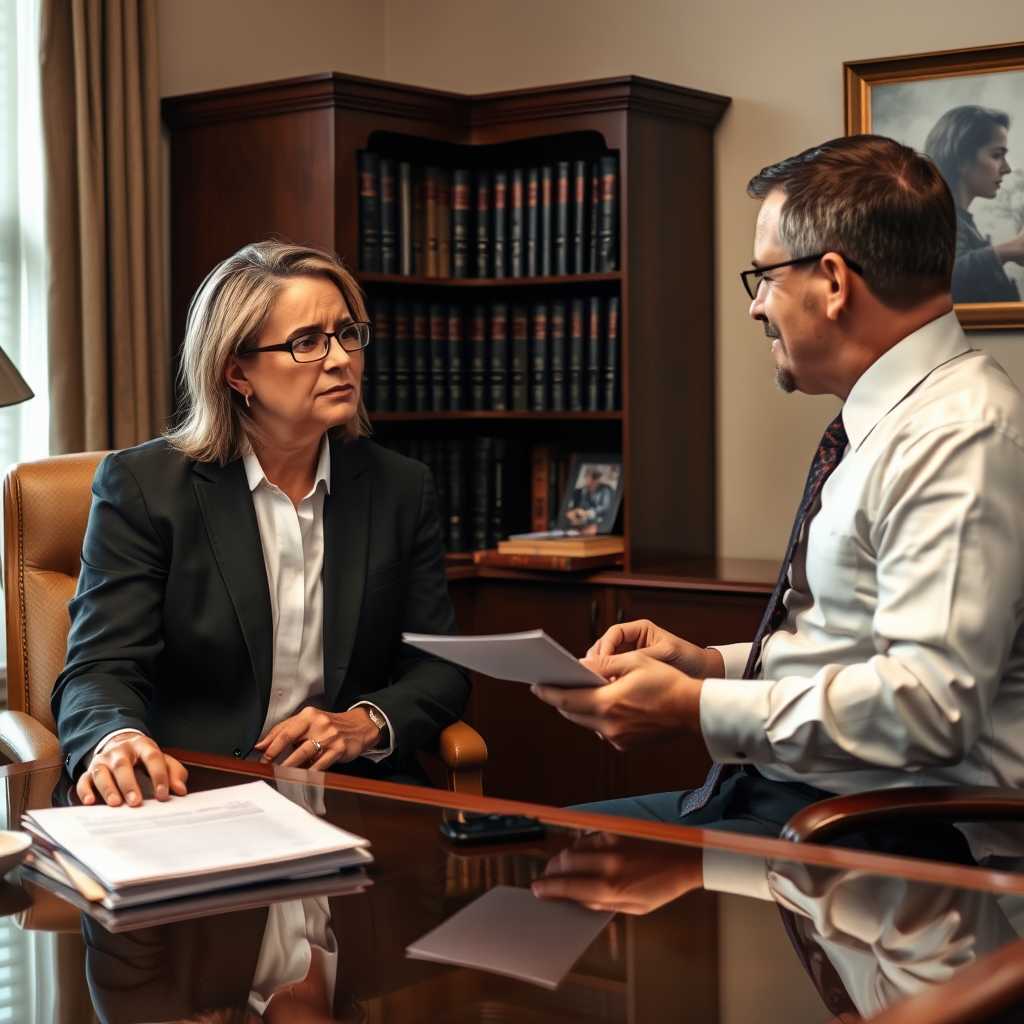
Nonconsensual Distribution of Private Sexual Images Lawyer Botetourt VA
As of December 2025, the following information applies. In Virginia, Nonconsensual Distribution of Private Sexual Images involves serious legal consequences, including felony charges and significant penalties. This offense, often referred to as ‘revenge porn,’ makes it illegal to share intimate images without consent. The Law Offices Of SRIS, P.C. provides dedicated legal defense for these matters, offering clear guidance and strong representation to protect your rights in Botetourt, VA.
Confirmed by Law Offices Of SRIS, P.C.
Finding yourself accused of nonconsensual distribution of private sexual images in Botetourt, Virginia, can feel like your world’s falling apart. It’s an incredibly stressful situation, often misunderstood, and the legal repercussions can be severe. This isn’t just about a mistake; it’s about facing serious criminal charges that can impact your freedom, your reputation, and your future. We get it. The fear, the uncertainty, the feeling of being judged—it’s overwhelming. But you’re not alone. At Law Offices Of SRIS, P.C., we’re here to help you understand what you’re up against and build a strong defense.
Virginia law doesn’t mess around with these charges. What might seem like a spur-of-the-moment decision or an act of anger can quickly turn into a felony with significant jail time and hefty fines. The digital world means images can spread instantly, making these cases particularly complex. That’s why you need knowledgeable legal representation right away. Our job is to cut through the noise, examine the evidence, and fight to protect your rights and your future.
What is Nonconsensual Distribution of Private Sexual Images in Virginia?
In Virginia, the nonconsensual distribution of private sexual images, commonly called ‘revenge porn,’ is a serious crime under Virginia Code § 18.2-386.2. This law makes it illegal for someone to distribute or sell an image of another identifiable person, if that image depicts nudity or sexual acts, and the person depicted created or possessed the image with a reasonable expectation that it would remain private. Furthermore, the distribution must be made with the intent to harass, intimidate, or coerce the person depicted, or with reckless disregard for whether the person would be harassed, intimidated, or coerced.
Blunt Truth: This isn’t about artistic expression or innocent sharing. It’s about violating someone’s trust and privacy in a way that causes significant harm. If the image was shared with consent, or if the person had no reasonable expectation of privacy (like a public photo), it might not fall under this statute. However, the legal definition can be nuanced, and proving intent or lack thereof is where a seasoned lawyer comes in.
Takeaway Summary: Nonconsensual distribution of private sexual images in Virginia is a felony under state law, targeting the sharing of private, intimate images without consent and with harmful intent. (Confirmed by Law Offices Of SRIS, P.C.)
The penalties for this offense are severe. A first offense is typically a Class 1 misdemeanor, which can mean up to 12 months in jail and a fine of up to $2,500. However, subsequent offenses or distributions that cause significant emotional distress can elevate the charge to a Class 5 felony, carrying a potential sentence of one to ten years in prison and a fine of up to $2,500. Beyond the immediate legal consequences, a conviction for nonconsensual sexual image distribution can lead to a permanent criminal record, affecting employment, housing, and personal relationships long-term.
How to Defend Against Nonconsensual Sexual Images Distribution Charges in Botetourt Virginia?
Facing charges for nonconsensual distribution of private sexual images can feel like an impossible uphill battle. The key to building a strong defense involves a systematic approach, carefully examining every aspect of the prosecution’s case and identifying potential weaknesses. It’s not about magic; it’s about meticulous legal work, understanding the specifics of Virginia law, and knowing how to challenge the evidence presented against you. Here’s a general overview of steps involved in defending such charges:
- Secure Knowledgeable Legal Counsel Immediately: Don’t wait. As soon as you suspect you’re under investigation or have been charged, contact an experienced criminal defense lawyer. Early intervention allows your attorney to gather crucial information, protect your rights during questioning, and begin constructing your defense before critical evidence is lost or misinterpreted. Your lawyer can also act as a buffer between you and law enforcement, ensuring you don’t inadvertently say or do anything that could harm your case.
- Review the Allegations and Evidence Thoroughly: Your attorney will obtain all discovery materials from the prosecution, including police reports, witness statements, digital evidence (like phone records, social media posts, and device forensics), and any other documentation. This comprehensive review is vital to understand the precise nature of the charges and the strength of the evidence against you. We’ll look for inconsistencies, procedural errors, and any gaps in the prosecution’s narrative.
- Challenge the Element of “Nonconsensual”: A core component of this charge is the lack of consent from the person depicted. Your defense might focus on demonstrating that consent was, in fact, given for the image’s creation and sharing. This can be complex, especially with digital communications, but evidence of explicit permission, prior agreements, or the context of the relationship can be powerful.
- Dispute the “Expectation of Privacy”: The law requires that the person depicted had a reasonable expectation that the image would remain private. If the image was taken or shared in a public setting, or if there’s evidence that the person had previously distributed the image widely themselves, this element might be challenged.
- Contest the “Intent to Harass, Intimidate, or Coerce”: The prosecution must prove you acted with specific intent to harm the person or with reckless disregard for such harm. If your actions, however misguided, did not meet this specific intent, your lawyer can argue that a key element of the crime is missing. This might involve presenting evidence of your state of mind, the context of the distribution, or demonstrating that your actions were misinterpreted.
- Examine Technical and Forensic Evidence: Digital evidence plays a significant role in these cases. Your lawyer can work with forensic Experienced professionals to scrutinize how the images were obtained, distributed, and if they were altered. Questions about chain of custody, data integrity, and the reliability of digital forensics can all be raised.
- Explore Constitutional Violations: Any violation of your constitutional rights during the investigation, such as an illegal search or seizure, can lead to the suppression of evidence. If evidence was obtained improperly, it might be excluded from trial, significantly weakening the prosecution’s case.
- Negotiate with the Prosecution: Depending on the strength of the evidence and the specifics of your case, your lawyer may engage in plea negotiations. This could involve reducing the charges, securing a lighter sentence, or exploring alternative dispositions like diversion programs, especially for first-time offenders.
- Prepare for Trial: If a favorable resolution isn’t reached through negotiation, your legal team will meticulously prepare for trial. This involves developing a robust trial strategy, preparing opening and closing statements, cross-examining prosecution witnesses, and potentially presenting defense witnesses and evidence to rebut the charges.
Real-Talk Aside: No two cases are exactly alike. What works for one person might not work for another. The best defense strategy depends entirely on the unique facts and circumstances surrounding your specific arrest and the evidence the prosecution has. That’s why a personalized, focused approach is absolutely necessary.
Can I Face Felony Charges for Private Sexual Image Crimes in Botetourt Virginia?
Yes, absolutely. The fear of felony charges for private sexual image crimes in Botetourt, Virginia, is very real, and it’s a concern we take incredibly seriously. While a first offense for nonconsensual distribution of private sexual images is typically a Class 1 misdemeanor, the law includes provisions that can quickly elevate these charges to a felony. It’s not just a hypothetical risk; it’s a potential outcome that can dramatically alter your life.
Specifically, if you have a prior conviction for this offense, any subsequent distribution of private sexual images without consent can be charged as a Class 5 felony. Beyond that, if the distribution of the images causes serious emotional distress to the victim, or results in a financial loss of $2,500 or more (for example, if they lose a job or incur significant therapy costs directly due to the distribution), the charge can also be elevated to a felony. A Class 5 felony in Virginia carries a possible prison sentence of one to ten years, and a fine of up to $2,500. This isn’t just a slap on the wrist; it’s a profound impact on your freedom and your future.
Many people underestimate the legal gravity of these actions. In the heat of the moment, or without fully understanding the law, someone might share an image they regret. But the law looks at the intent and the impact, not just the regret. The consequences of a felony conviction extend far beyond prison time. You could lose your right to vote, your right to own a firearm, and your ability to secure certain types of employment or housing. It can follow you for the rest of your life.
This is why having experienced legal representation is not just beneficial, it’s essential. When the stakes are this high, you need someone who understands the nuances of Virginia law, who can challenge the prosecution’s claims, and who will fight tirelessly to protect your rights. We’re here to help you understand these serious risks and develop a defense strategy aimed at minimizing the damage and working towards the best possible outcome. Don’t let the fear paralyze you; take action to secure your defense.
Why Hire Law Offices Of SRIS, P.C.?
When you’re facing charges related to nonconsensual distribution of private sexual images in Botetourt, Virginia, you need more than just a lawyer; you need a staunch advocate who understands the profound impact these accusations have on your life. At Law Offices Of SRIS, P.C., we bring a blend of seasoned legal knowledge, a direct approach, and genuine empathy to every case. We know this isn’t just about legal statutes; it’s about your future, your reputation, and your peace of mind. Our team is dedicated to ensuring that your voice is heard and your rights are protected throughout the legal process. With a nonconsensual image distribution attorney by your side, you can Handling the complexities of your case with confidence. We will work tirelessly to build a robust defense tailored to your unique circumstances, striving to achieve the best possible outcome for you.
Mr. Sris, our founder and principal attorney, offers a unique perspective that strengthens our defense strategies. He states: “My focus since founding the firm in 1997 has always been directed towards personally handling the most challenging and complex criminal and family law matters our clients face.” This insight reflects our firm’s dedication to taking on difficult cases, not shying away from what others might consider too tough. Mr. Sris further shares: “I find my background in accounting and information management provides a unique advantage when handling the intricate financial and technological aspects inherent in many modern legal cases.” This is particularly relevant in cases involving digital evidence, where understanding how data is managed and presented can be a game-changer.
Our firm is built on the principle of providing clear, direct advice. We won’t sugarcoat the challenges, but we’ll always provide you with hope and a clear path forward. We believe in empowering our clients with knowledge, so you understand every step of the legal process. Our approach is hands-on; we investigate thoroughly, challenge evidence rigorously, and advocate fiercely on your behalf. We understand the emotional toll these charges can take, and we’re here to offer support while aggressively defending your rights.
Choosing Law Offices Of SRIS, P.C. means choosing a team that’s deeply committed to securing the best possible outcome for you. We recognize the complexities of modern legal issues, especially those involving technology and personal privacy. We leverage our collective experience to develop innovative defense strategies tailored to the specifics of your case. Let us put our experience to work for you.
Our primary contact number is available around the clock. Don’t delay in seeking the legal help you need during this challenging time.
Call now to schedule a confidential case review. You can reach us at +1-888-437-7747.
Frequently Asked Questions About Private Sexual Image Crimes in Botetourt, VA
What is the difference between consensual and nonconsensual distribution of images?
Consensual distribution occurs when all parties depicted explicitly agree to the sharing of private sexual images. Nonconsensual distribution, however, happens when images are shared without the explicit permission of the person depicted, especially if they had a reasonable expectation of privacy when the images were created.
Can I be charged if I didn’t personally distribute the image, but someone else did from my device?
Yes, potentially. If your device was used and it can be shown you authorized or were complicit in the distribution, you could face charges. However, proving your direct involvement and intent becomes a key part of the legal defense. An attorney will investigate the circumstances fully.
What evidence do prosecutors use in nonconsensual image distribution cases?
Prosecutors often rely on digital evidence like text messages, social media posts, device forensics, IP addresses, and witness testimony. They aim to establish the origin, distribution method, lack of consent, and your intent to harass or coerce the depicted individual. Each piece of evidence is scrutinized.
What are the potential defenses if I’m accused of this crime?
Common defenses include arguing that consent was given, that there was no reasonable expectation of privacy, or that you lacked the required intent to harass or coerce. Technical defenses, such as challenging the authenticity of digital evidence or alleging constitutional violations, are also possible avenues. Your defense depends on your case’s specifics.
Will this charge appear on my criminal record if I’m convicted?
Yes, a conviction for nonconsensual distribution of private sexual images, whether a misdemeanor or a felony, will appear on your criminal record. This can have lasting consequences on employment, housing, professional licenses, and educational opportunities. It underscores the importance of a strong legal defense.
What should I do if police contact me about a nonconsensual image distribution investigation?
If police contact you, politely state that you wish to speak with an attorney before answering any questions. Do not make any statements or provide any information without legal counsel present. Anything you say can be used against you. Contact a lawyer immediately for a confidential case review.
How quickly should I contact a lawyer after being charged?
It’s important to contact a lawyer as soon as possible after being charged or even if you suspect an investigation is underway. Early legal intervention allows your attorney to gather facts, preserve evidence, and begin building a defense strategy before critical opportunities are lost. Time is often of the essence.
What is a confidential case review and why is it important?
A confidential case review is a private discussion with an attorney about the details of your situation. It’s protected by attorney-client privilege, meaning what you share cannot be used against you. It’s important because it allows you to get honest legal advice and understand your options without fear of self-incrimination.
The Law Offices Of SRIS, P.C. has locations in Virginia in Fairfax, Loudoun, Arlington, Shenandoah and Richmond. In Maryland, our location is in Rockville. In New York, we have a location in Buffalo. In New Jersey, we have a location in Tinton Falls.
Past results do not predict future outcomes.