
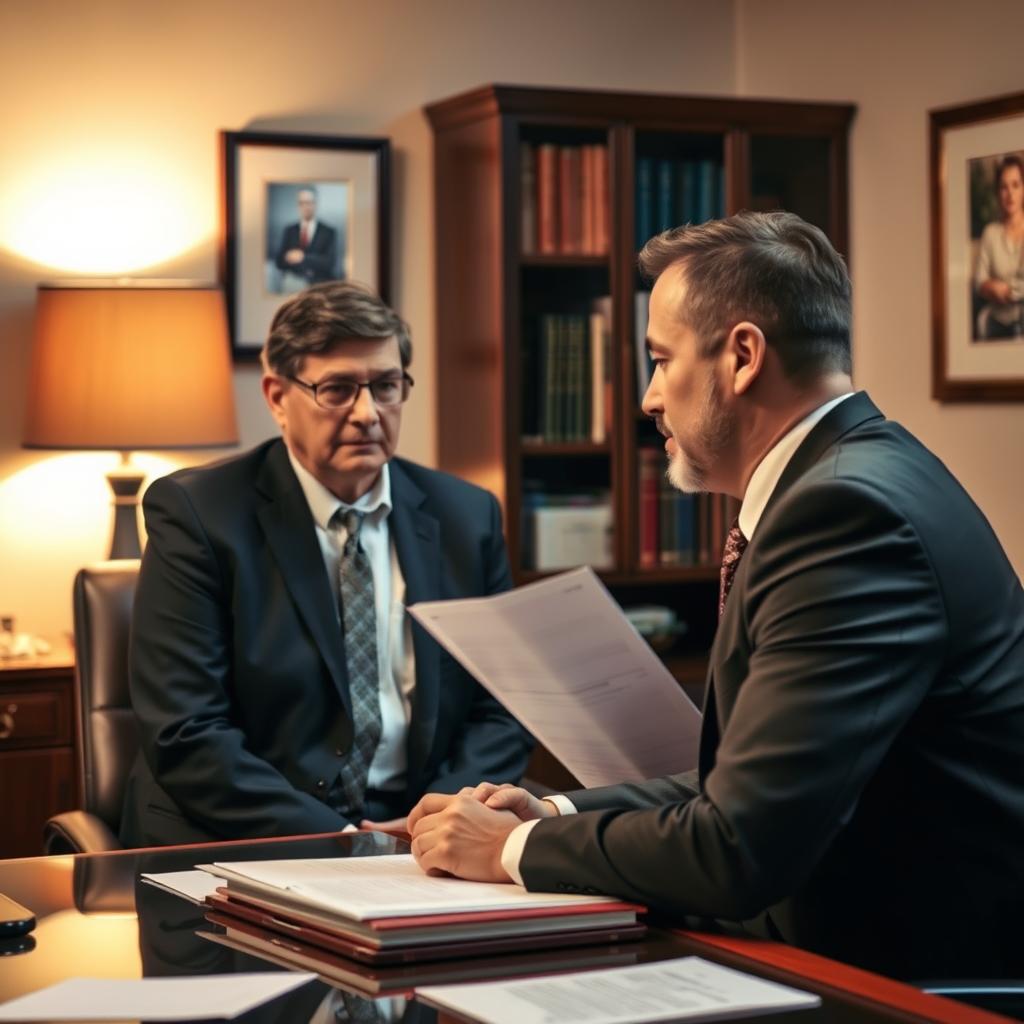
Possession of Child Pornography lawyer Virginia, VA
Possession of child pornography is one of the most serious felony charges you can face in Virginia. A conviction under Va. Code § 18.2‑374.1:1 carries mandatory sex offender registration, a potential prison sentence of up to five years for each image, and lifelong collateral consequences that affect where you can live, work, and travel. When you are under investigation or have been charged, you need experienced defense counsel who understands how Virginia prosecutors build these cases and how to challenge them. Mr. Sris, a former prosecutor, founded Law Offices Of SRIS, P.C. in 1997, and together with the firm’s Of Counsel team he has handled sex crime defense across Virginia, Maryland, the District of Columbia, New Jersey, and New York. To discuss your situation, reach our firm at (888) 437‑7747. Law Offices Of SRIS, P.C. — Advocacy Without Borders.
What Possession of Child Pornography Means Under Virginia Law
Under Virginia Code § 18.2‑374.1:1, a person is guilty of possession of child pornography when they knowingly possess or access with intent to view any material that depicts a minor engaged in sexually explicit conduct. The statute covers physical items such as printed photographs as well as digital files stored on computers, phones, cloud accounts, or any other electronic device. Even viewing images online without downloading can, in some circumstances, lead to criminal liability because “possession” includes electronic access.
A conviction is a Class 6 felony, carrying a penalty of one to five years in prison for each image, though sentences may run consecutively for multiple images. In addition, anyone convicted under this statute must register as a sex offender, a requirement that in most cases lasts for life under Virginia’s Sex Offender and Crimes Against Minors Registry Act, Va. Code § 9.1‑901. That registration carries residency and employment restrictions and may affect custody of your own children. Because the stakes are so high, every element of the prosecution’s case must be carefully examined — from the legality of the search that uncovered the images to the technical evidence linking the images to the accused.
How Mr. Sris and the Firm’s Of Counsel Handle Possession of Child Pornography Cases
When a person is charged with possessing child pornography, the prosecution must prove beyond a reasonable doubt that the defendant knowingly possessed or accessed the material and that the person depicted is a real minor engaged in sexually explicit conduct. Mr. Sris and the firm’s Of Counsel work to identify weaknesses at every stage. They examine whether law enforcement obtained search warrants properly, whether digital forensic evidence was handled in a way that preserves its integrity, and whether the state can establish the age of the depicted person — a factor that can be contested when images are digital and lack reliable provenance.
Defense strategies depend on the specific facts, but they often include challenging the legality of the search under the Fourth Amendment, questioning the chain of custody for electronic evidence, raising issues about shared computers or wireless networks that leave reasonable doubt about who actually possessed the files, and negotiating with the Commonwealth’s Attorney to seek a charge reduction that avoids mandatory sex offender registration. Because Virginia sex crime cases frequently involve DNA analysis, cell‑tower data, and computer forensics, the team works with independent attorneys when necessary to test the prosecution’s technical evidence. Mr. Sris and the firm’s Of Counsel have handled many matters of this type across Virginia’s circuit and general district courts, and they bring that background to every case.
About Mr. Sris and the Firm’s Of Counsel Team
Mr. Sris, Owner and Founder of Law Offices Of SRIS, P.C., has practiced since 1997 and is admitted in Virginia, Maryland, the District of Columbia, New Jersey, and New York. He is a former prosecutor who understands how the government builds a criminal case from the inside. Mr. Sris testified before the Virginia House Courts of Justice Committee in support of 2019 HB 635 (chief patron Del. David Bulova). He keeps his personal caseload limited so that each client receives thorough attention.
Mr. Sris and the firm’s Of Counsel bring over 120 years of combined legal experience with 4,739+ documented firm-wide results. Results may vary. The Of Counsel team includes attorneys with backgrounds in complex criminal defense, forensic evidence, and trial work — all of which are essential in cases involving digital imagery and sex offense statutes. The firm’s attorneys appear in Virginia courts throughout the Commonwealth, from the Fairfax County Circuit Court to the circuit courts of central and southwestern Virginia.
Frequently Asked Questions
What is the legal definition of possession of child pornography in Virginia?
Possession of child pornography means knowingly possessing or accessing any material that depicts a minor engaged in sexually explicit conduct. Virginia Code § 18.2‑374.1:1 covers both physical and digital images, including files stored on a computer or phone. Even fleeting access can be enough, and the state does not need to prove that the defendant distributed or created the material — merely that he or she knowingly possessed it with awareness of its content.
What are the penalties for a possession of child pornography conviction in Virginia?
A conviction is a Class 6 felony punishable by one to five years in prison for each image, and the sentences may run consecutively. Conviction also triggers mandatory lifetime registration on the Virginia Sex Offender Registry, which imposes restrictions on where you can live, work, and travel. Additionally, a felony record can affect employment opportunities and professional licenses. Because of these severe consequences, early legal representation is critical.
Should I have a lawyer if I am only being investigated and have not been charged?
Yes, you should contact an experienced criminal defense attorney immediately if you believe you are under investigation for possession of child pornography. Speaking with investigators without counsel can be dangerous. A lawyer can help you understand your rights, advise you on whether to provide any statements, and begin preparing your defense even before charges are formally filed.
What defense approaches are available in a Virginia child pornography case?
Defense strategies may include challenging the legality of the search, disputing whether the defendant knowingly possessed the material, or raising doubt about whether the image depicts a real minor. For example, if police obtained evidence through an unlawful search, that evidence can be suppressed. If the computer or device was shared by multiple people, reasonable doubt may exist. An experienced attorney can identify an appropriate path based on the particular facts of your case.
Will I have to register as a sex offender if I am convicted?
Yes, a conviction for possession of child pornography under Va. Code § 18.2‑374.1:1 requires lifetime registration on the Virginia Sex Offender Registry. There is no judicial discretion to waive the registry requirement. Because of this mandatory collateral consequence, defense strategies often focus on avoiding a conviction that triggers registration — for example, negotiating a plea to a lesser offense that does not require registration, if the facts permit.
Can a possession of child pornography charge be reduced or dismissed?
A charge can be reduced or dismissed when the evidence is weak, the stop or search was unlawful, or the defense can show a lack of knowing possession. For instance, suppression of key evidence often leads to a favorable outcome. Even when a dismissal is not possible, an experienced attorney may be able to negotiate an amendment to a charge that avoids sex offender registration. Every case is different, and the outcome depends on the specific evidence and the skill of your defense team.
For guidance on your specific situation, reach Law Offices Of SRIS, P.C. at (888) 437‑7747.
Attorney advertising. Prior results do not guarantee a similar outcome. Results may vary.
Case results depend on a variety of factors unique to each case.