
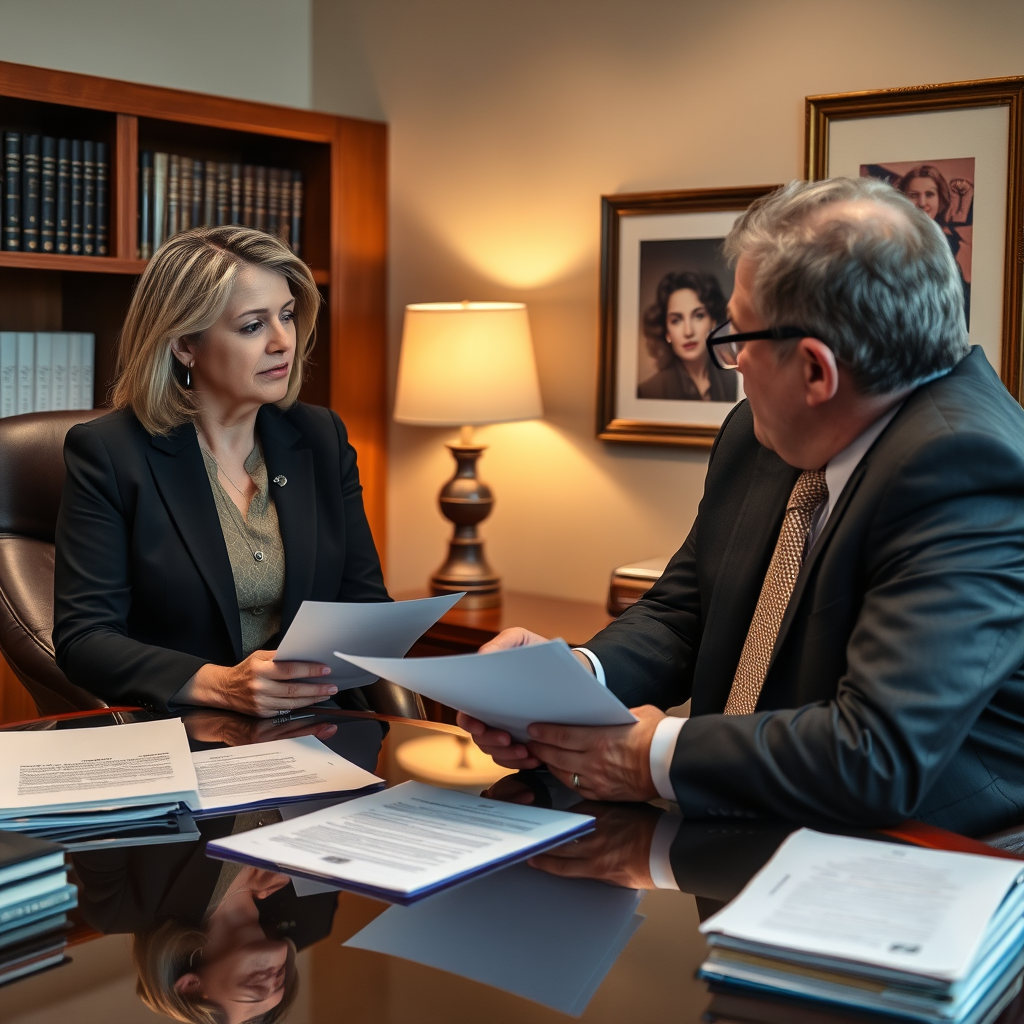
Augusta VA Nonconsensual Distribution of Private Sexual Images Lawyer: Your Defense Starts Here
As of December 2025, the following information applies. In Virginia, nonconsensual distribution of private sexual images involves sharing intimate photos or videos without consent, which is a serious felony offense. The Law Offices Of SRIS, P.C. provides dedicated legal defense for these matters.
Confirmed by Law Offices Of SRIS, P.C.
What is Nonconsensual Distribution of Private Sexual Images in Virginia?
In Virginia, the nonconsensual distribution of private sexual images, often referred to as ‘revenge porn,’ is a grave criminal offense. This law addresses situations where an individual shares sexually explicit images or videos of another person without that person’s knowledge or consent. This isn’t just about sharing; it’s about the violation of trust and privacy, and the intent to cause harm, humiliation, or distress to the victim. It can also occur if someone distributes images obtained consensually but later shared without permission, or images taken without permission in the first place. The key element is the lack of consent from the individual depicted in the images at the time of distribution. This offense carries severe penalties, reflecting society’s increasing recognition of the profound damage such acts inflict on victims. Understanding this law is vital because it protects individuals from digital exploitation and holds perpetrators accountable. The legal framework in Virginia is designed to offer protection and seek justice for those targeted by such invasive actions, making it clear that digital privacy is a right.
Many people misunderstand what ‘consent’ means in this context. Consent must be explicit, informed, and freely given for the *distribution* of the images. Just because someone consented to the creation of the image, or even shared it privately with one person, does not imply consent for wider distribution. This lack of clear understanding often leads to unintentional legal issues for individuals who might not grasp the full scope of the law. The intent to harass, coerce, or intimidate, or simply to gain attention, can all be factors considered by the courts. The emotional and psychological toll on victims of nonconsensual distribution is immense, which is why prosecutors often pursue these cases aggressively. Therefore, if you’re facing allegations related to this statute, securing legal counsel immediately is not just advisable, it’s essential for protecting your rights and mounting an effective defense against such serious accusations. Your attorney will help you understand every facet of the charges and build a strategy tailored to your specific circumstances.
Beyond the direct legal definition, it’s important to recognize the broader societal implications of such offenses. The digital age has brought with it new challenges to personal privacy, and laws like Virginia’s nonconsensual distribution statute are critical in establishing boundaries for online conduct. This is not merely a technicality; it’s about upholding human dignity and preventing the malicious use of private moments. The rapid spread of images online means that once a private image is distributed, it can be nearly impossible to fully remove it from the internet, leading to lasting harm for victims. For those accused, it means facing a legal system that is increasingly sensitive to these issues, requiring a defense that is equally sophisticated. An attorney experienced in these sensitive cases can help dissect the prosecution’s evidence, challenge the claims of non-consent, or argue for mitigating circumstances. The stakes are incredibly high, affecting not only your legal record but also your personal and professional reputation for years to come.
The distinction between private and public images is also critical. An image that was publicly shared by the person depicted, for example, on a public social media profile, might not fall under the purview of this law, as there is no reasonable expectation of privacy for publicly available content. However, an image shared in a private chat or stored on a personal device is clearly subject to privacy protections. The nuances of what constitutes a ‘private sexual image’ and ‘nonconsensual distribution’ often become central points of contention in court. This is where a knowledgeable attorney becomes indispensable. They can examine the circumstances surrounding the image’s creation, the method of its distribution, and the explicit or implicit understandings of consent between the parties involved. Managing these details can make the difference between conviction and acquittal, or a significantly reduced charge. It’s a field of law that demands both legal acumen and a deep understanding of digital communication and human behavior.
Finally, the law also considers the age of the individuals involved. If the person depicted in the images is a minor, the charges escalate significantly and fall under child pornography statutes, which carry even more severe penalties. This underscores the critical need for a clear and precise understanding of the facts in any case involving digital images. Whether the images were consensual at one point, how they were obtained, and the age of the parties involved all play a part in determining the specific charges and potential defense strategies. Augusta VA residents facing these accusations need to be aware that Virginia’s legal system takes these matters very seriously, and a proactive defense is the best course of action. Do not delay in seeking legal counsel if you or someone you know is accused of this offense, as early intervention can significantly impact the outcome of your case.
**Takeaway Summary:** Nonconsensual distribution of private sexual images in Virginia is a serious felony involving sharing intimate content without consent, carrying significant penalties. (Confirmed by Law Offices Of SRIS, P.C.)
How to Defend Against Nonconsensual Distribution Charges in Augusta VA?
Facing charges for nonconsensual distribution of private sexual images in Augusta VA can feel overwhelming, like being caught in a sudden storm. But just as with any storm, there are steps you can take to protect yourself and weather it. A strong defense strategy starts with understanding the process and having someone in your corner who knows the legal terrain. This isn’t just about legal jargon; it’s about real-life consequences and protecting your future. Let’s break down how a defense typically unfolds, offering some clarity on what you can expect and how a dedicated attorney can make all the difference.
-
Immediate Legal Counsel: Don’t Wait
The absolute first thing you should do when you learn you are under investigation or have been charged is to secure experienced legal counsel. Blunt Truth: Anything you say or do without an attorney can be used against you. This isn’t a casual offense; it’s a felony. A seasoned Augusta VA revenge porn lawyer can step in immediately to advise you, protect your rights during questioning, and prevent you from inadvertently making statements that could harm your case. They can communicate with law enforcement on your behalf, ensuring that proper legal procedures are followed from the very beginning. Early intervention by an attorney can also prevent additional charges or missteps that occur when an individual tries to represent themselves or speak to police without legal guidance. This initial step sets the foundation for your entire defense, so it cannot be overstated in its importance. Think of it as putting on your oxygen mask first; it’s essential for your survival in the legal process.
-
Thorough Investigation and Evidence Gathering
Once retained, your attorney will launch a comprehensive investigation into the allegations. This means meticulously reviewing all available evidence, including digital forensics, witness statements, police reports, and any communications between you and the alleged victim. They will examine how the images were obtained, when and how they were distributed, and critically, the context of consent. Was there a prior agreement? Were the images publicly accessible? Your attorney will work to uncover any inconsistencies in the prosecution’s case or any evidence that supports your defense. This stage is like piecing together a complex puzzle; every small detail can be significant. They might consult with digital forensic Experienced professionals to verify metadata, timestamps, or the authenticity of the images themselves. This rigorous collection and analysis of facts are vital for building a strong defense, leaving no stone unturned in the pursuit of truth and justice. It’s about building a factual narrative that stands up in court.
-
Challenging Consent and Intent
In cases of nonconsensual distribution, the prosecution must prove two primary elements beyond a reasonable doubt: lack of consent for distribution and intent to cause harm or distress. Your attorney will work to challenge these elements. They might argue that consent was, in fact, given—either explicitly or implicitly—for certain types of distribution, or that the images were already public. They could also argue that there was no malicious intent behind the distribution, which can sometimes lead to lesser charges or alternative resolutions. Demonstrating a lack of intent can be a powerful defense, suggesting that any distribution was accidental, misguided, or not intended to humiliate or distress. This requires a nuanced understanding of human behavior and communication, which an experienced Augusta VA sexual image offense attorney possesses. The burden of proof rests with the prosecution, and your attorney’s role is to show where that proof falls short, creating reasonable doubt in the minds of a jury or judge.
-
Negotiating with the Prosecution
Many criminal cases, especially those that involve digital evidence and sensitive issues, are resolved through plea negotiations. Your attorney will engage with the prosecutor to explore options such as reducing the charges, entering a diversion program, or even having the case dismissed if the evidence is weak. This is where their negotiation skills and reputation come into play. A knowledgeable attorney understands the plea bargaining process and can advocate effectively on your behalf, aiming for the most favorable outcome possible without going to trial. They can highlight weaknesses in the prosecution’s case, present mitigating factors, and persuasively argue for a resolution that minimizes the impact on your life. Sometimes, an agreement can be reached where the charges are significantly reduced or even dropped in exchange for certain actions, like counseling or community service. This strategic approach can save you from the uncertainties and stresses of a full trial.
-
Courtroom Representation and Trial
If a plea agreement cannot be reached, or if it is in your best interest to fight the charges at trial, your attorney will provide vigorous courtroom representation. They will present your defense, cross-examine witnesses, object to improper evidence, and deliver compelling opening and closing statements. Going to trial is a serious undertaking, and having an attorney who is comfortable and effective in court is paramount. They will strategically present your case to a judge or jury, clearly articulating your defense and challenging every aspect of the prosecution’s narrative. This involves not only legal knowledge but also strong communication skills and the ability to connect with the jury. A seasoned trial attorney knows how to craft a persuasive narrative, introduce evidence effectively, and counter the prosecution’s arguments, all while upholding your rights and working tirelessly to achieve an acquittal or a favorable verdict. They are your voice and your shield in the courtroom.
-
Post-Conviction Relief and Appeals
Even if a conviction occurs, the legal process doesn’t necessarily end. Your attorney can advise you on post-conviction relief options, such as appeals, motions for a new trial, or expungement processes if eligible. This ensures that every possible avenue for a positive outcome is explored. Appeals are based on errors of law or procedure that occurred during the trial, while motions for a new trial might be based on newly discovered evidence. Your legal team will carefully review the trial transcripts and proceedings to identify any grounds for appeal. They can also explain the long-term consequences of a conviction and guide you on how to mitigate them, including strategies for expungement if permitted by law in the future. This ongoing support ensures that even in adverse situations, you have a knowledgeable advocate continuing to fight for your rights and future, exploring every legal path available.
No one wants to face such severe accusations. But remember, a charge is not a conviction. With the right legal team, you can build a formidable defense. The intricacies of Virginia law surrounding nonconsensual distribution demand a detailed approach, and that’s precisely what you get with experienced counsel. Your reputation, your freedom, and your future depend on a proactive and strong defense. Don’t try to manage this alone. Reach out to a dedicated legal professional who understands the specific challenges of these cases in Augusta VA.
Can I Get Nonconsensual Distribution of Private Sexual Images Charges Dropped or Reduced in Augusta VA?
It’s a common and very valid question when you’re facing serious charges: “Can I get these charges dropped or reduced?” The fear that comes with a felony accusation is immense, and the desire for a favorable outcome is perfectly understandable. The straightforward answer is yes, it is possible for charges of nonconsensual distribution of private sexual images to be dropped, reduced, or for you to be found not guilty. However, this is rarely an easy or automatic process. It depends heavily on the specific facts of your case, the strength of the evidence against you, and, critically, the effectiveness of your legal defense. Think of it like a chess match: every move, every piece of evidence, and every legal argument plays a role in the final outcome. It’s not about magic; it’s about strategy and rigorous application of the law.
For charges to be dropped, the prosecution would typically need to find significant weaknesses in their case, such as insufficient evidence, issues with how evidence was collected, or a lack of credible witnesses. An experienced attorney will aggressively challenge the prosecution’s narrative, looking for every opportunity to demonstrate that the elements of the crime cannot be proven beyond a reasonable doubt. For instance, if your attorney can successfully argue that there was an expectation of consent for distribution, or that the images were not truly private, or that the intent to cause harm was absent, it weakens the prosecution’s position significantly. They might also identify procedural errors made by law enforcement during the investigation, which could lead to evidence being suppressed and ultimately, the case being dropped. This process involves detailed legal arguments and motions filed with the court, requiring a deep understanding of criminal procedure and evidentiary rules.
If dropping the charges isn’t feasible, reducing them is often a viable alternative. This can happen through plea bargaining, where your attorney negotiates with the prosecutor for a less severe charge, perhaps a misdemeanor instead of a felony, or a lesser felony charge. The benefits of a reduced charge are significant, often leading to less jail time, smaller fines, and fewer long-term consequences on your criminal record and future opportunities. Factors that might influence a prosecutor to reduce charges include a lack of prior criminal history, the absence of clear malicious intent, or a willingness on your part to participate in counseling or other rehabilitative programs. Your attorney will present all mitigating circumstances to the prosecutor, arguing for leniency and a more appropriate charge that reflects the true nature of the alleged offense rather than the most severe possible interpretation. Every case is unique, and a skilled negotiator can often find common ground that benefits their client.
Even if the case proceeds to trial, a “not guilty” verdict is always the goal. Your attorney will build a defense designed to create reasonable doubt in the minds of the judge or jury. This could involve presenting counter-evidence, discrediting prosecution witnesses, or highlighting alternative interpretations of the events. The jury must be convinced that the prosecution has not met its burden of proof beyond a reasonable doubt for a conviction. This is where a trial lawyer’s courtroom skills, ability to present a compelling narrative, and strategic cross-examination are absolutely vital. Remember, the justice system is designed so that you are innocent until proven guilty, and it is the prosecution’s job to prove that guilt. Your attorney’s role is to ensure that your side of the story is heard, your rights are protected, and that any weaknesses in the state’s case are thoroughly exposed.
While we cannot guarantee specific outcomes, understanding that avenues exist to challenge these charges is crucial. Each case presents unique challenges and opportunities. A dedicated attorney in Augusta VA representing sexual image offense cases can analyze the specifics, advise you on the best course of action, and tirelessly advocate on your behalf. There are no magical solutions, only diligent legal work, strategic planning, and persistent advocacy. It’s about fighting for your rights every step of the way and exploring every legal option available to secure the most favorable resolution possible. Do not lose hope, but instead, empower yourself by securing strong legal representation immediately. Past results do not predict future outcomes. While we don’t have specific anonymized case results to share for this topic, our commitment to a robust defense remains unwavering.
Why Hire Law Offices Of SRIS, P.C. for Your Augusta VA Defense?
When your future is on the line, choosing the right legal representation isn’t just a decision; it’s a strategic imperative. For serious charges like nonconsensual distribution of private sexual images in Augusta VA, you need more than just a lawyer; you need a dedicated advocate who understands the profound personal and legal implications. Law Offices Of SRIS, P.C. stands ready to provide that robust defense. Our firm is built on a foundation of extensive experience and a steadfast commitment to protecting the rights and futures of our clients. We understand that facing such allegations can be one of the most stressful and uncertain times in a person’s life, and we are here to provide clarity, reassurance, and formidable legal strength. Our team is well-versed in the intricacies of cases involving sensitive issues, ensuring that every aspect is meticulously addressed. As your trusted Augusta VA sexual contact lawyer, we will meticulously craft a defense strategy tailored to the unique circumstances of your case, seeking the best possible outcome. Your peace of mind is our priority, and we will fight vigorously to uphold your rights throughout the legal process.
Mr. Sris, the founder, CEO, and principal attorney, brings a wealth of knowledge to every case. His personal philosophy guides the firm’s approach:
“My focus since founding the firm in 1997 has always been directed towards personally defending the most challenging and intricate criminal and family law matters our clients face.”
This insight underscores a commitment to hands-on, dedicated legal representation in the most demanding circumstances. Mr. Sris’s background in accounting and information management also provides a unique advantage in cases involving digital evidence, which is often at the heart of nonconsensual distribution accusations. His ability to dissect intricate digital footprints and understand technological nuances means a more thorough and informed defense strategy for you. This fusion of legal acumen and technical understanding is invaluable when battling charges in the digital age.
At Law Offices Of SRIS, P.C., we recognize that every client’s situation is unique, and so too should be their defense strategy. We don’t believe in one-size-fits-all solutions. Instead, we invest time in understanding every detail of your case, from the moment of arrest or accusation through every piece of evidence. This meticulous approach allows us to identify weaknesses in the prosecution’s case, explore all possible defense angles, and build a tailored strategy designed for the best possible outcome. Our team is dedicated to providing personalized attention, ensuring that you feel heard, informed, and supported throughout the entire legal process. We are not just defending a charge; we are defending your life and your future, and we take that responsibility incredibly seriously.
Our firm also understands the sensitive nature of nonconsensual distribution charges. We approach every case with the utmost discretion and empathy. We know that these situations often involve personal relationships, emotional distress, and significant reputational damage. Our priority is to protect your privacy and ensure that your defense is handled with the sensitivity it requires. You can expect a confidential case review where your concerns are listened to without judgment, and your legal options are explained clearly and directly. We aim to reduce the stress and uncertainty you’re experiencing by providing a clear path forward and a strong legal presence by your side. Our goal is not only to achieve a favorable legal result but also to help you Handling this difficult period with dignity and confidence.
When you choose Law Offices Of SRIS, P.C., you are choosing a firm with a track record of vigorous advocacy and a deep understanding of Virginia’s criminal justice system. We are prepared to challenge evidence, negotiate aggressively with prosecutors, and represent you robustly in court if necessary. Our seasoned team is familiar with the Augusta VA legal landscape, allowing us to anticipate challenges and respond effectively. We believe that everyone deserves a fair defense, especially when facing accusations that could permanently alter their life. Let us put our experience, our knowledge, and our unwavering dedication to work for you. Don’t face these serious charges alone; let us be your strong voice and your shield in the legal arena.
Law Offices Of SRIS, P.C. has locations in Virginia in Fairfax, Loudoun, Arlington, Shenandoah and Richmond.
For your Augusta VA nonconsensual distribution defense, please contact our Shenandoah location:
Law Offices Of SRIS, P.C.505 N Main St, Suite 103
Woodstock, VA, 22664, US
Phone: +1-888-437-7747
Call now for a confidential case review.
Frequently Asked Questions About Nonconsensual Distribution of Private Sexual Images in Augusta VA
Q: What are the potential penalties for nonconsensual distribution in Virginia?
A: In Virginia, nonconsensual distribution of private sexual images is a Class 5 felony. This means a conviction can carry a prison sentence of one to 10 years and/or a fine of up to $2,500. Additionally, there are significant long-term consequences for your record and reputation.
Q: Is ‘revenge porn’ the same as nonconsensual distribution?
A: Yes, ‘revenge porn’ is the common term for the offense of nonconsensual distribution of private sexual images. The legal definition focuses on the lack of consent for sharing intimate photos or videos, regardless of the motivation behind the distribution.
Q: Does it matter if I didn’t intend to cause harm?
A: Intent to cause harm or distress is often a key element the prosecution must prove. If your attorney can demonstrate a lack of such intent, it might lead to reduced charges or a more favorable outcome. It’s a critical point for defense strategy.
Q: What if the images were initially shared consensually between us?
A: Consent to create or share an image privately does not automatically imply consent for wider distribution. The law specifically targets distribution without permission, even if the images were initially shared willingly in a private context.
Q: Can sharing an image with just one person be considered ‘distribution’?
A: Yes, Virginia law can consider sharing an image with even a single individual to be ‘distribution’ for the purposes of this statute. The extent of the distribution doesn’t negate the offense if consent was absent.
Q: What kind of evidence is used in these cases?
A: Evidence often includes digital forensics from phones or computers, social media posts, text messages, emails, and witness testimonies. Your attorney will analyze all digital footprints and communications related to the alleged distribution.
Q: How important is a reasonable expectation of privacy?
A: A reasonable expectation of privacy is fundamental to the charge. If the images were already publicly accessible by the depicted person’s own actions, such as being on a public social media profile, the charge may not apply. Your attorney will examine this closely.
Q: Can these charges affect my employment or future opportunities?
A: Absolutely. A felony conviction for nonconsensual distribution can severely impact your employment prospects, housing, educational opportunities, and overall reputation. It’s a serious mark that follows you for years, making a strong defense essential.
Q: What should I do if police want to talk to me about this?
A: Do not speak to the police without an attorney present. Politely state that you wish to exercise your right to remain silent and want to speak with legal counsel. Contact a lawyer immediately; anything you say can be used against you.
Q: What’s the difference between this and child pornography?
A: If the person depicted in the private sexual images is a minor, the charges escalate significantly to child pornography offenses, which carry much harsher penalties and different legal frameworks. This distinction is critically important.