
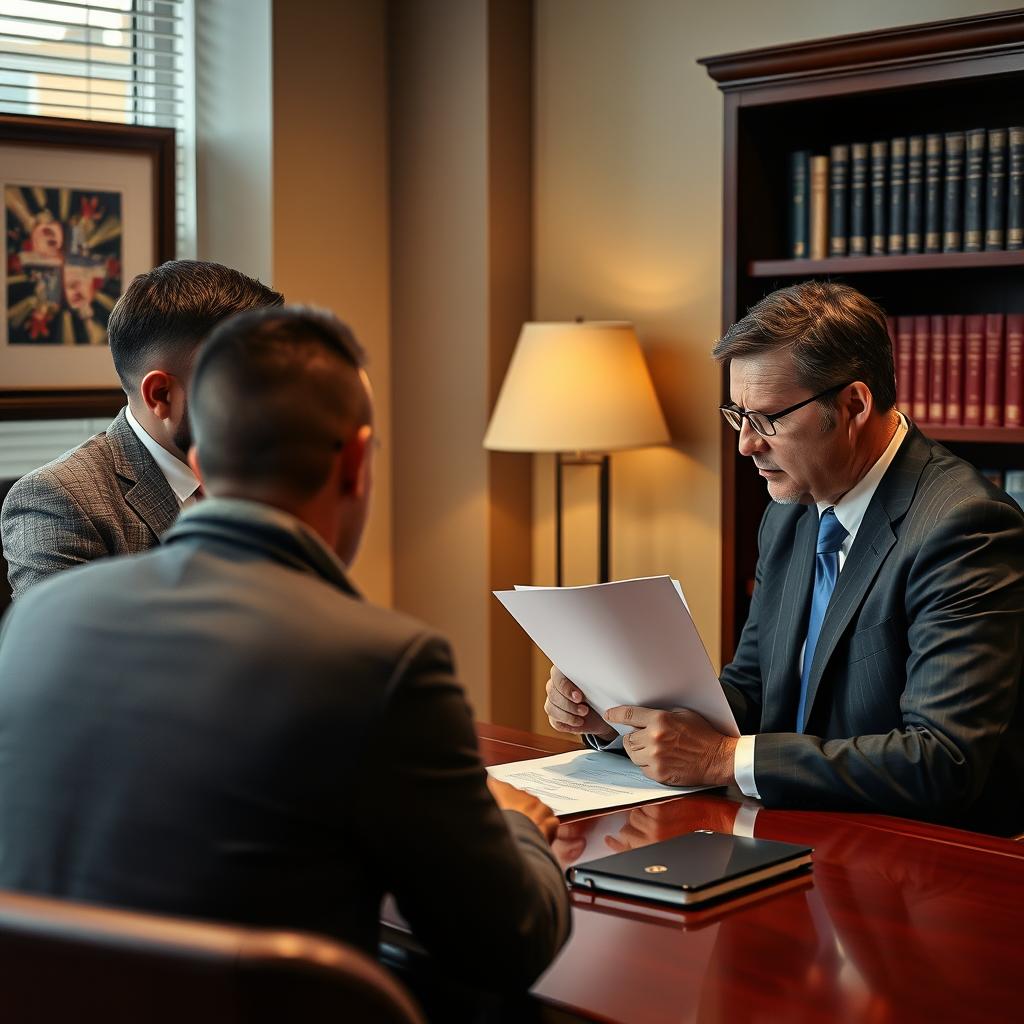
Nonconsensual Distribution of Private Sexual Images lawyer Baltimore, MD
Allegations of nonconsensual distribution of private sexual images carry immediate and serious consequences in Maryland. If you or someone you know is accused of this offense in Baltimore, Maryland, understanding the legal landscape is a critical first step. Charges in this category can lead to arrest, detention, and potential sex-offender-registry obligations. Law Offices Of SRIS, P.C. Concentrates its practice on defending individuals against sex crime charges throughout Maryland, including in Baltimore City and the surrounding counties. Mr. Sris, a former prosecutor, and the firm’s Of Counsel team work to protect clients’ rights and build a thorough defense from the earliest stages of an investigation. To discuss your situation directly, reach our firm at (888) 437‑7747. A consultation can help you understand the options available under Maryland law. Law Offices Of SRIS, P.C. – Advocacy Without Borders.
Understanding Nonconsensual Distribution Charges in Baltimore
In Maryland, the nonconsensual distribution of intimate images is treated as a criminal offense that can be prosecuted vigorously by the State’s Attorney for Baltimore City. The offense typically involves the intentional dissemination of a photograph, video, or digital recording depicting another person in a state of nudity or engaged in sexual activity, when the person depicted had a reasonable expectation that the material would remain private and the distribution was made with the intent to cause harm. Allegations may arise from relationship disputes, social media posts, or digital messaging. Because the underlying facts often involve electronic communications, prosecutors may use forensic analysis of phones, computers, and online accounts to build their case.
Cases proceed in the Circuit Court for Baltimore City when charged as felonies. The court is located at 5800 Wabash Avenue, Baltimore, MD 21215. Misdemeanor matters may be heard in the District Court of Maryland for Baltimore City. The procedural timeline varies based on the complexity of the evidence and the court’s calendar. Pre‑trial motions challenging the admissibility of electronic evidence, the legality of a search, or the credibility of the complaining witness can be pivotal. Mr. Sris and the firm’s Of Counsel appear regularly in Baltimore courts and understand the local prosecutorial approach, which helps in building a defense tailored to the circumstances of each case.
Frequently Asked Questions
What is nonconsensual distribution of private sexual images?
Nonconsensual distribution of private sexual images means intentionally sharing an intimate photo or video of another person without that person’s permission, often with the intent to harass, intimidate, or cause emotional distress. Under Maryland criminal law, it can be charged as a serious offense. The material is usually obtained in a context where the person depicted had a reasonable expectation of privacy. The distribution can occur through text messages, social media, email, or any digital platform. A conviction may lead to incarceration, fines, and long‑term consequences beyond the criminal penalty, including damage to reputation and employment opportunities.
What are the penalties for this offense in Maryland?
A conviction for nonconsensual distribution of private sexual images in Maryland can result in incarceration, substantial fines, and a criminal record. The specific penalty depends on how the offense is charged—whether as a misdemeanor or a felony—and on factors such as the age of the person depicted, the defendant’s prior record, and whether the distribution was accompanied by other criminal conduct. A felony conviction may carry a prison term measured in years. In all cases, the court has discretion to impose probation, supervised release, or other conditions. Because every case is different, speaking with a defense lawyer early is important to understand the potential exposure in your situation.
How do Baltimore courts handle cases like this?
Cases involving nonconsensual distribution of private sexual images in Baltimore are prosecuted by the State’s Attorney and are heard in either the District Court or the Circuit Court, depending on the severity of the charge. Misdemeanor cases may be resolved in the District Court, where judges hear testimony and determine the outcome without a jury. Felony charges proceed in the Circuit Court for Baltimore City, often with a jury trial. Pre‑trial procedures include discovery of digital evidence, witness interviews, and motions to suppress evidence obtained in violation of constitutional rights. An experienced attorney familiar with the judges and procedures in Baltimore can evaluate the prosecution’s case and present a strategic defense.
What defenses are available against these charges?
Defenses may include lack of intent to harm, consent of the person depicted, mistaken identity, or a violation of the defendant’s Fourth Amendment rights during the investigation. The prosecution must prove each element of the offense beyond a reasonable doubt. If the government cannot establish that the accused intended to distribute the material without consent, or if the evidence was obtained through an unlawful search of a phone or computer, the charges may be challenged through a motion to suppress. Additionally, if the material was not actually private—for example, if it had been previously shared widely—that can be a compelling defense. Every case is fact‑specific, and a thorough review of the evidence is essential to identify all available defenses.
Do I need a lawyer if I am accused of this offense?
Yes, you should consult a lawyer as soon as you become aware of an accusation or investigation. Speaking to law enforcement or to anyone else about the facts of the case can inadvertently harm your defense. A lawyer can communicate with prosecutors on your behalf, advise you on how to protect your rights, and begin gathering evidence and witness statements that may be critical to your defense. Early intervention may also lead to a resolution before formal charges are filed, such as persuading the prosecutor not to issue a warrant or negotiating a reduction in charges. Reach a criminal defense lawyer in Baltimore at (888) 437‑7747 to discuss your options.
Can a conviction require sex offender registration?
Maryland law may require sex offender registration if the offense falls within a category that triggers registration under the state’s tiered system. Not all convictions for nonconsensual distribution of private sexual images result in registration, but if the offense is classified as a sex crime for registration purposes, a conviction could impose registration obligations lasting several years or even a lifetime, depending on the tier. The collateral consequences of registration—including residency restrictions, employment limitations, and public listing—can be severe. An attorney can evaluate whether the charged offense carries a registration obligation and can work to avoid or minimize the registration requirement as part of a negotiated resolution.
What should I do if I am under investigation but not yet charged?
Do not speak with investigators or anyone else about the allegations. Contact a lawyer immediately. Investigations by the Baltimore Police Department or other agencies may include search warrants, subpoenas for digital records, and interviews of witnesses. If you become aware that you are the subject of an investigation, preserving your right to remain silent is essential. A lawyer can determine whether law enforcement has sought a warrant, can advise you on how to handle any contact by police, and can proactively engage with the prosecutor’s office to attempt to prevent formal charges. Early legal representation is often the difference between a case that is charged and one that is resolved without a public filing.
How does the firm approach nonconsensual distribution cases?
Law Offices Of SRIS, P.C. begins each case with a thorough review of the evidence and an assessment of the prosecution’s theory. Mr. Sris, a former prosecutor, and the firm’s Of Counsel team examine the digital records, the credibility of witnesses, and the circumstances of the alleged distribution. They identify weaknesses in the state’s case, file appropriate motions, and pursue dismissal or reduction where the evidence permits. If a trial is necessary, they prepare the client for testimony and present a focused defense. Throughout the process, they keep clients informed and work to achieve the most favorable resolution possible under Maryland law. Results may vary. In any future matter.
Can charges be dropped or reduced?
Yes, charges can be dropped by the prosecutor or reduced to a lesser offense, particularly when a strong defense is presented early. Prosecutors may agree to a reduction if there are evidentiary weaknesses, if the complaining witness is unwilling to testify, or if alternative dispositions such as probation before judgment are available. An experienced defense attorney can negotiate with the State’s Attorney to explore these possibilities. Even if a reduction is not achieved pre‑trial, a trial can result in an acquittal or a finding of not guilty on some counts. Every case is different, and the likelihood of a favorable resolution depends on the specific facts and the quality of the legal representation.
Is this offense a felony or a misdemeanor in Maryland?
The classification depends on the specific charging statute and the circumstances, including the age of the person depicted and the defendant’s prior record. Maryland law treats some forms of nonconsensual distribution as felonies and others as misdemeanors. The distinction has significant implications for potential penalties, the right to a jury trial, and the long‑term consequences of a conviction. An attorney can determine whether a particular charge is a felony or misdemeanor and can advise on the procedural and strategic implications. For guidance on your specific situation, reach Law Offices Of SRIS, P.C. at (888) 437‑7747.
How long does a case like this take in Baltimore?
The duration of a case varies depending on whether it is resolved by plea, dismissal, or trial. Cases in Baltimore courts can range from a few months if resolved early to over a year if they proceed through jury trial. Factors affecting the timeline include the volume of digital evidence, the availability of witnesses, and the court’s docket. An experienced lawyer can work to resolve the matter as efficiently as possible without sacrificing a thorough defense. For a consultation on your case, contact Mr. Sris and the firm’s Of Counsel at (888) 437‑7747.
About Mr. Sris and the Firm’s Of Counsel Team
Mr. Sris, Owner and Founder of Law Offices Of SRIS, P.C., is a former prosecutor who concentrates his practice on sex crime defense across Maryland. He is admitted in Virginia, Maryland, the District of Columbia, New Jersey, and New York. His background in prosecution provides him with insight into how the State builds cases. Alongside the firm’s Of Counsel — all of whom are, not as employees — Mr. Sris brings over 120 years of combined legal experience to the defense table. Results may vary. The firm has documented 4,739+ firm-wide results since 1997. In Baltimore, the team has handled sex crime matters, obtaining dismissals and other favorable outcomes; however, every case is unique.
Related pages:
Montgomery County sex crime defense |
Prince George’s County sex crime defense |
Howard County sex crime defense |
Anne Arundel County sex crime defense
Official resources:
Maryland Criminal Law § 3-809 (Revenge Porn) |
District Court of MD for Baltimore City |
Circuit Court for Baltimore City
Attorney advertising. Prior results do not guarantee a similar outcome. Case results depend on a variety of factors unique to each case. Results may vary.
Next: the statewide page on nonconsensual distribution of private sexual images in Maryland.