
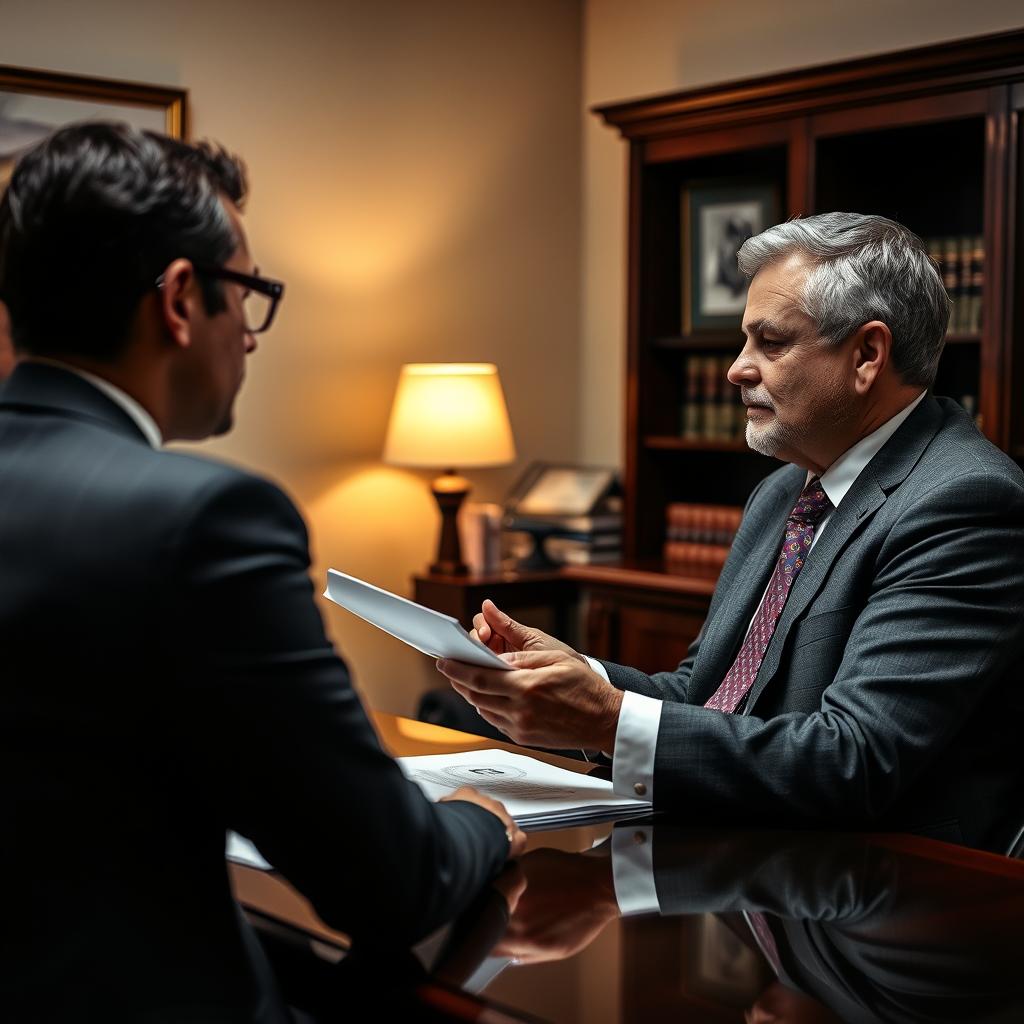
Use of Communications Systems to Facilitate Offenses Against Minors lawyer Chesapeake, VA
Allegations involving the use of communications systems to facilitate offenses against minors are among the most actively prosecuted charges in Chesapeake, Virginia. These cases frequently begin with digital evidence—text messages, social media communications, online chat logs, or sting operations conducted by law enforcement—and can escalate into felony charges carrying years of imprisonment and mandatory lifetime sex offender registration. If you or a family member is under investigation or has been charged, the decisions made in the earliest stages of the case matter. Mr. Sris and the firm’s Of Counsel at Law Offices Of SRIS, P.C. represent clients facing these serious allegations in Chesapeake courts. Reach our firm at (888) 437-7747 to request a consultation. Law Offices Of SRIS, P.C. – Advocacy Without Borders.
What Use of Communications Systems to Facilitate Offenses Against Minors Means in Chesapeake, Virginia
In Virginia, the use of a communications system—including a telephone, computer, internet connection, mobile application, or any electronic device—to solicit, persuade, entice, or attempt to solicit a minor for any offense involving sexual contact or child exploitation is treated as a standalone felony. The charge does not require physical contact; the communication itself can constitute the crime. Law enforcement agencies in Chesapeake, including the Chesapeake Police Department and the Virginia State Police, conduct online and undercover operations targeting suspected offenders. Cases are heard in Chesapeake’s two primary courts: preliminary hearings proceed in the Chesapeake General District Court at 307 Albemarle Drive, and felony trials are held in the Chesapeake Circuit Court, also at the same address.
The stakes are high. A conviction carries the possibility of a lengthy prison term—sentencing is determined by the specific offense charged, the age of the alleged victim, and the defendant’s prior record—and, critically, mandatory registration on the Virginia Sex Offender and Crimes Against Minors Registry. That registration requirement is often lifelong and imposes severe limitations on where a person can live, work, and travel. Because these cases often involve digital forensic evidence—cell phone data, IP addresses, chat logs—the technical complexity demands a defense that can challenge the prosecution’s interpretation of that evidence. The firm has achieved favorable outcomes in all six documented Chesapeake case results across practice areas. Results may vary.
How Mr. Sris and the Firm’s Of Counsel Handle These Cases
When a person is accused of using a communications system to facilitate an offense against a minor, the timeline moves quickly. Law enforcement may have obtained search warrants, seized electronic devices, and conducted forensic examinations before the person is even aware of the investigation. Mr. Sris and the firm’s Of Counsel work to intervene at the earliest possible stage—often before charges are formally filed—to protect the client’s rights, challenge the scope of any search, and begin building a defense strategy that looks at every aspect of the digital evidence.
The defense often involves scrutinizing the communications themselves: Were the messages sent by the accused? Was the alleged minor actually a law enforcement officer posing as a minor? Did the communications rise to the level of solicitation required by Virginia law? Mr. Sris, a former prosecutor with experience in criminal trial work, uses his firsthand knowledge of how the Commonwealth builds its case to anticipate the prosecution’s moves. The Firm’s Of Counsel bring extensive experience in complex felony defense, including cases that turn on DNA, digital forensics, and cell tower data. Together, they review each piece of digital evidence, consult with forensic analysts when appropriate, and prepare a defense designed to achieve favorable outcomes given the specific facts.
About Mr. Sris and the Firm’s Of Counsel Team
Mr. Sris is the Owner and Founder of Law Offices Of SRIS, P.C. He was admitted to practice law in 1997 and is licensed in Virginia, Maryland, the District of Columbia, New Jersey, and New York. Before founding the firm, he served as a prosecutor, an experience that informs his approach to every criminal defense matter. Mr. Sris testified before the Virginia House Courts of Justice Committee in support of 2019 HB 635 (chief patron Del. David Bulova). Mr. Sris and the firm’s Of Counsel bring over 120 years of combined legal experience, and the firm has documented over 4,739 firm-wide results. Results may vary.
The Of Counsel team includes attorneys with deep backgrounds in serious felony defense, including cases involving digital evidence and forensic analysis. They work collaboratively with Mr. Sris to handle each matter with attention to detail and a thorough understanding of Virginia criminal procedure. The firm represents clients in Chesapeake from its Richmond location at 7400 Beaufont Springs Drive, Suite 300, Room 395, Richmond, VA 23225, and can be reached at (888) 437-7747.
Frequently Asked Questions
What is the offense of using a communications system to facilitate an offense against a minor in Virginia?
The offense involves using any electronic means—such as a phone, computer, social media, or messaging app—to communicate with a person the defendant believes to be a minor and solicit, entice, or attempt to persuade that person to engage in sexual activity or any act related to child exploitation. The law does not require that the minor actually exists; in many Chesapeake cases, the “minor” is an undercover law enforcement officer. The charge is a felony, and a conviction requires registration as a sex offender in Virginia. Because the crime is completed by the communication itself, an arrest can occur even if no in-person meeting took place. An experienced attorney can examine whether the communications meet the legal definition of solicitation and whether the defendant knew the recipient was a minor.
What should I do if I am contacted by law enforcement about a communications-based offense in Chesapeake?
Do not answer questions, provide written statements, consent to any search of your electronic devices, or agree to a police interview without legal counsel present. Tell the officer you wish to speak with an attorney and then remain silent. Law enforcement may present the conversation as a casual inquiry, but anything you say can be used against you. Mr. Sris and the firm’s Of Counsel are available to take your call at (888) 437-7747 and can advise you on how to proceed before any charges are filed. Early involvement often allows for a strategic response that can influence the direction of the investigation.
How does a case move through the Chesapeake court system?
A felony charge for using a communications system to facilitate an offense against a minor usually begins with an arrest and a preliminary hearing in the Chesapeake General District Court at 307 Albemarle Drive. At that hearing, the judge decides whether there is probable cause to send the case to the grand jury. If the case is certified, it moves to the Chesapeake Circuit Court, where the grand jury will consider an indictment. If indicted, the defendant appears in Circuit Court for arraignment, motions, and eventually trial. The entire process can take several months depending on the complexity of the digital evidence and the court’s calendar. Having a lawyer involved early is essential, as plea negotiations and pretrial motions can significantly affect the outcome.
Can I avoid sex offender registration if I am convicted in Chesapeake?
Under Virginia law, most felony convictions involving minors trigger mandatory registration on the Virginia Sex Offender and Crimes Against Minors Registry, and that registration is often for life. The only sure way to avoid registration is to avoid a conviction for a registerable offense. This can happen through dismissal of charges, a not-guilty verdict at trial, or a plea to a reduced charge that does not carry a registration requirement—such as a misdemeanor offense not defined as a sex crime. Because the consequences of registration are so severe, Mr. Sris and the firm’s Of Counsel explore every legal avenue to resolve cases without triggering registration, whether through challenging the evidence, negotiating with the Chesapeake Commonwealth’s Attorney, or litigating motions.
What kind of evidence is used in these cases?
Prosecutors typically rely on digital evidence including text messages, social media direct messages, app chat logs, emails, IP address records, and surveillance photographs or video from law enforcement operations. In many Chesapeake cases, the evidence is obtained through search warrants served on phone companies, internet service providers, or the defendant’s own devices. The defense can challenge the authenticity or completeness of this evidence: whether the messages have been altered, whether the account was accessed by someone else, and whether the forensic methods used by law enforcement were sound. A thorough review of the digital trail is often the cornerstone of the defense.
Why should I choose Law Offices Of SRIS, P.C. for a Chesapeake case?
Mr. Sris has been practicing criminal defense since 1997, is a former prosecutor, and leads a team of Of Counsel with experience in complex felony cases that involve digital evidence. The firm represents clients in Chesapeake courts from its Richmond location and handles these cases with a thorough understanding of both Virginia law and the local court system. Because the firm is selective about the number of active cases, each client receives focused attention. Contact the firm at (888) 437-7747 to discuss your situation.
Chesapeake General District Court is currently presided over by Hon. Michael R. Katchmark. Court hours: Mon-Fri 8:00AM-4:00PM. Counsel appearing on sex crimes matters should plan filings accordingly.
Related Practice Areas:
Fairfax County sex crimes lawyer |
Fairfax City sex crimes defense |
Falls Church sex crimes attorney |
Prince William County sex crimes defense |
Manassas sex crimes lawyer
Virginia Legal Resources:
Virginia Criminal Code (Title 18.2) |
Chesapeake Circuit Court
Attorney advertising. Prior results do not guarantee a similar outcome. Case results depend on a variety of factors unique to each case. Results may vary.
Chesapeake is one of the localities covered in our wider Virginia discussion of use of communications systems to facilitate offenses against minors.